Our commitment to protect biodiversity
Biodiversity impacts in our own operations
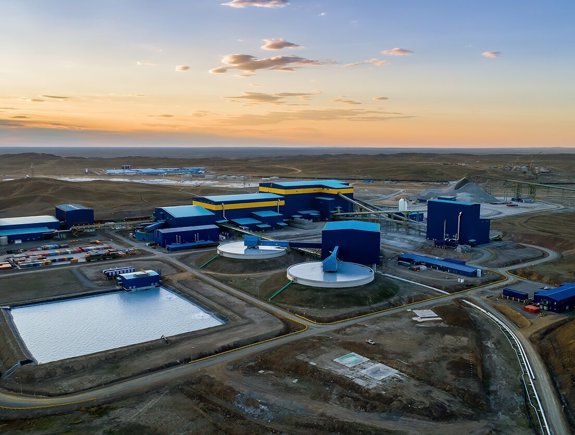
Metso largely buys manufactured goods from suppliers, and Metso’s equipment manufacturing sites, assembly and service workshops are typically located in industrial parks zoned for industrial use. These areas have limited biodiversity sensitivity and compliance with environmental permits mitigate potential impacts on biodiversity and endangered species.
Within Metso’s own operations, the best way to improve biodiversity is indirectly, through effective management of water use and waste. These management practices can significantly impact local biodiversity. Therefore, Metso’s existing strategies and targets related to water efficiency and waste management serve as the foundation for addressing biodiversity challenges in Metso’s own operations. All Metso sites comply with local rules and regulations, operate under required environmental permits, and follow Metso’s general principles to minimize environmental impacts in own operations, logistics and procurement. In addition, all Metso sites must demonstrate compliance with local biodiversity regulations and good practices.
Metso regularly assesses the potential biodiversity impacts of its sites through the Natura 2000 network, Key Biodiversity Areas (KBAs), and UNESCO natural heritage sites lists. As part of this ongoing assessment, an analysis conducted in 2025 identified four sites located less than 1 kilometer from biodiversity-sensitive areas, as well as 14 other manufacturing or office sites located within 1–5 kilometers of biodiversity-sensitive areas, covering a total of approximately 23 hectares for all 18 locations. Currently, the material impacts of these sites on biodiversity and ecosystems change have not been assessed or identified. Metso has also investigated, but is currently not able to review own operations' proximity to biodiversity-sensitive areas through a hydrological connection.
Supporting biodiversity in customer operations
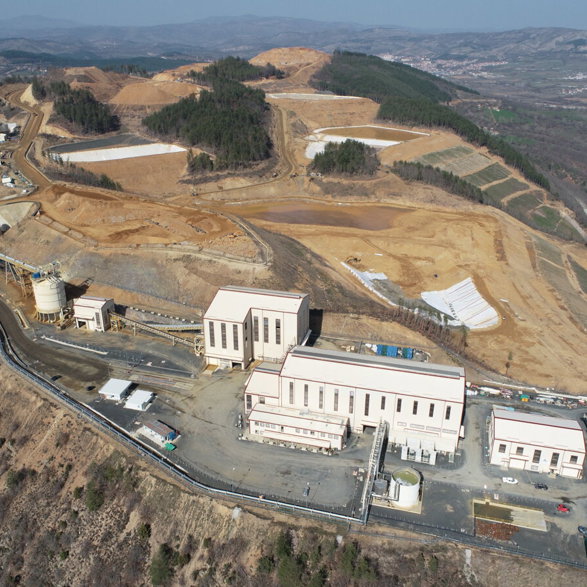
The operations of our customers in the aggregates and mining industries typically have significant land footprints, often in environmentally sensitive areas, where land disturbance and pollution can impact habitats and species. Biodiversity management is therefore a high-priority issue for our mining and aggregates customers. Mining can have an impact on biodiversity across several dimensions and throughout the life of the mine, from exploration to closure via deforestation, pollution to air, water and soil, dust and noise, as well as water scarcity.
By providing solutions, products and services to our customers, we have the potential to minimize risks on biodiversity. Our technological focus is on several areas related to customer biodiversity impacts, e.g. closed water loops, raw material efficiency, tailings management, non-toxic processing options and emissions management systems as well as water conservation and noise and dust reduction. These technologies can have a positive impact on conserving natural habitats, reducing land-use impacts, preventing pollution, and reducing groundwater consumption. They also contribute to minimizing the number of raw materials needed as inputs in our customers’ operations.
We are currently identifying, in talks together with our customers, which products and services could help reduce the risk of biodiversity loss in our customers’ operations.