Mining
Published Sep 25, 2026

From screen performance to plant performance

Jouni Mähönen
Jouni Mähönen
VP, Screening
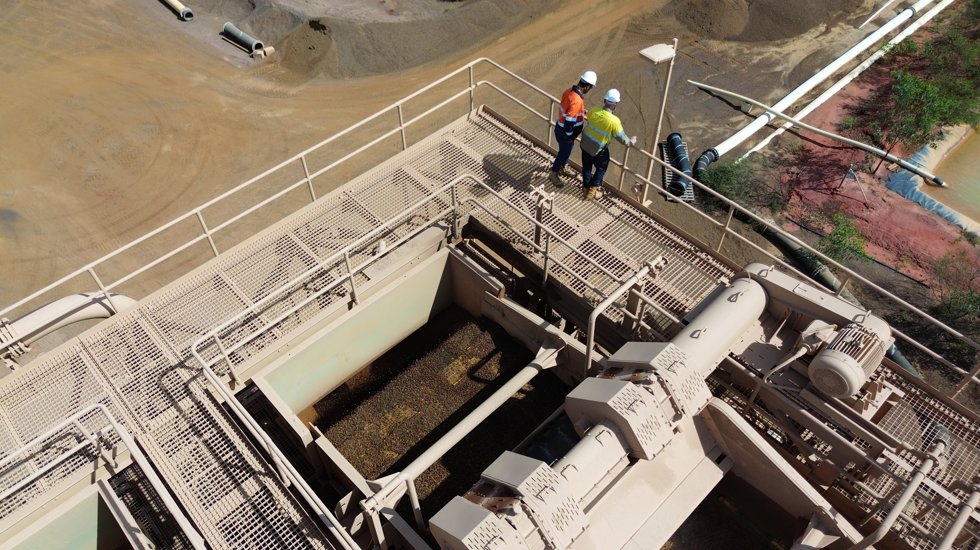
Plant performance discussions often start with crushers, mills and downstream processing equipment. They are large investments, consume significant energy and are easy to identify as potential bottlenecks. Screening can be less visible, sometimes seen mainly as an intermediate process step or a wear-parts discussion. Yet one of the most important contributors to stable and predictable operation sits between these stages. The screen’s influence extends far beyond classification.
Screening

A small process step with a large impact 

The primary role of a screen is to separate material according to the required particle size. However, its impact reaches much further. Effective screening helps maintain product quality, support the required throughput and capacity, and contributes to process stability. By directing the right amount of correctly sized material to the next stage, it can also help reduce unnecessary processing and wear on downstream equipment. When the right material reaches the right equipment at the right time, the entire operation can perform more efficiently. 

When the screening process falls short of its potential, the consequences are often felt throughout the plant. Reduced throughput, inconsistent product quality, increased recirculating loads and production instability can all be linked to screening performance. 

How does screening connect crushing and grinding? 

Mining processes are often discussed as separate stages: crushing, screening and grinding. In practice, they operate as a connected system where the performance of one stage directly affects the next. Regardless of whether material is being fed to a crusher or a mill, downstream performance depends heavily on effective classification. Between these stages, screening helps control what moves forward, what returns for further reduction and how consistently material flows through the circuit. 

When screening efficiency declines, the effects can ripple throughout the operation. What appears to be a crushing challenge or grinding issue may originate in the screening process. This is why the screen should be viewed not only as a classification point, but as a key link between major process stages. 
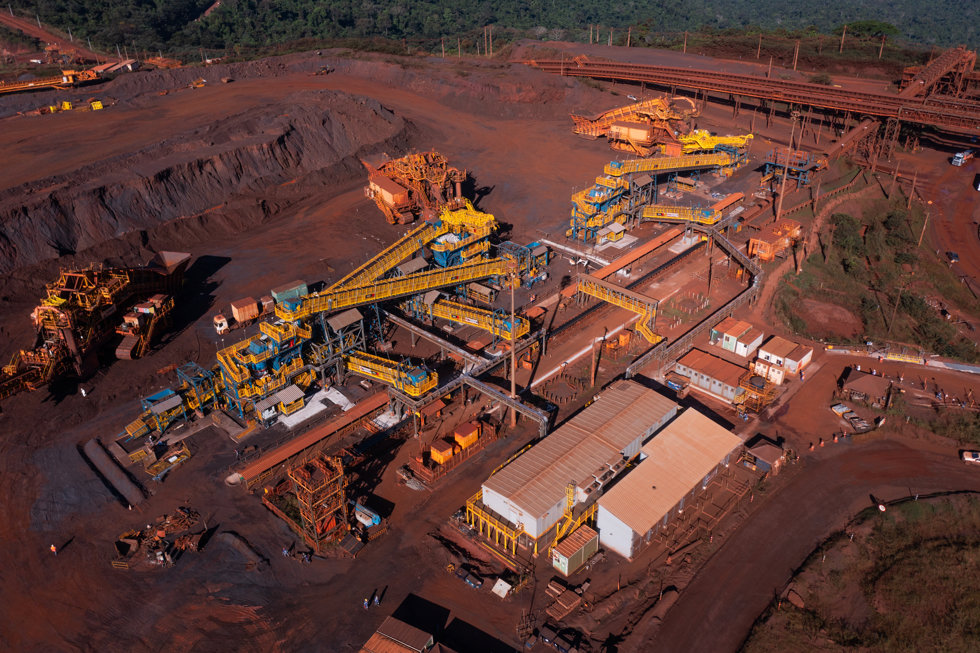
Plant

Why is there no one-size-fits-all screening solution? 

While the objectives of screening are often similar, the operating conditions are not. Material characteristics, moisture content, particle size distribution, capacity requirements and process objectives can vary significantly from one application to another. As a result, there is rarely a single solution that is optimal for every operation. 

A larger screen, higher capacity or more aggressive operating parameters do not automatically translate into better performance. Success depends on selecting the right technology and media for the specific application. This becomes particularly important when processing difficult-to-screen materials. Wet, sticky, fine or highly variable feed can create challenges such as blinding, pegging, reduced efficiency or unstable operation. However, with the right combination of design, media and application expertise, these challenges can often be addressed effectively. 

Why does screening performance change over time? 

A screen that performs well today may face very different conditions tomorrow. Ore characteristics can change. Production targets can evolve. Equipment ages. Operating conditions shift. Even small changes can influence screening efficiency and overall production results. This is why screen screening performance should not be viewed as something that is achieved once and then forgotten. Maintaining an optimal flow requires ongoing attention to equipment condition, screening media wear life, operating practices and process variables. The challenge is not only achieving performance, but also about maintaining it as conditions change. 

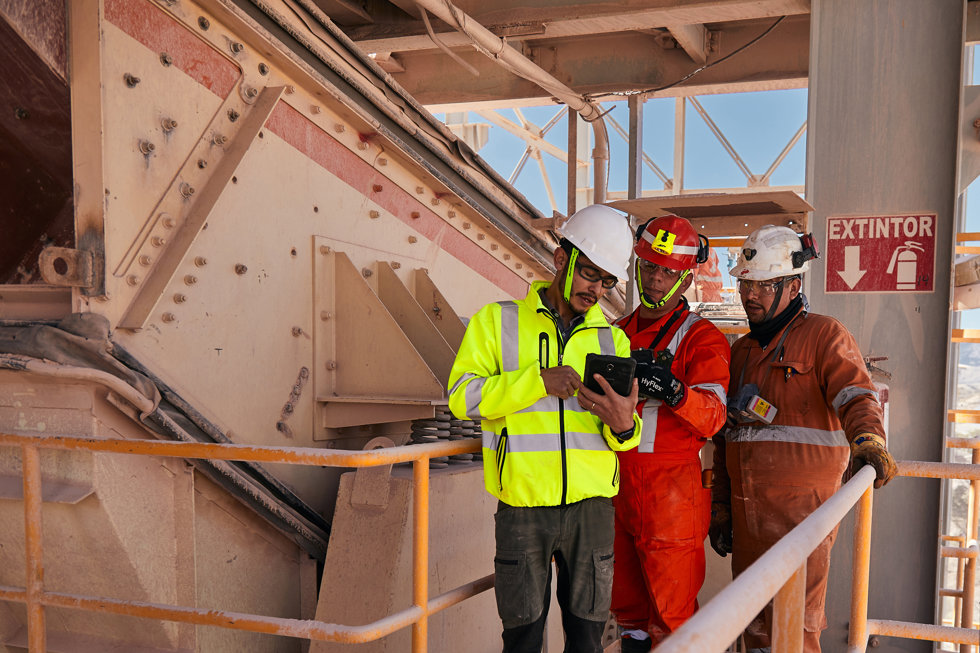
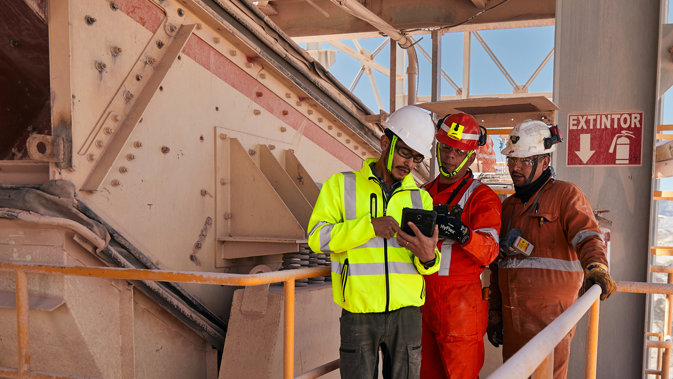
Experts at the site

Why take a lifecycle approach to screening? 

Because screening performance changes over time, achieving the desired outcome requires more than selecting the right equipment. It begins long before equipment arrives on site. Understanding the application, material characteristics and process objectives helps establish the foundation for long-term success. 

Once the system is running, maintaining consistent results becomes an ongoing effort. Screening media condition and wear life, inspections, maintenance activities and process optimization all contribute to long-term results. Over time, repairs, upgrades and continuous improvement initiatives help operations adapt to changing conditions and maintain operational targets. Viewed this way, screening is not a one-time equipment decision. It is an ongoing effort to support throughput, product quality, uptime and cost control throughout the life of the operation. 

From equipment focus to performance focus 

Historically, discussions about screening have often focused on equipment specifications, media types or individual technologies. While these factors remain important, they are ultimately a means to an end. Mining companies measure success through tons processed, product quality achieved, uptime maintained and operating costs controlled. Screening contributes to all these outcomes. As a result, the conversation is increasingly shifting from individual products towards overall process performance and lifecycle value. 

The most effective screening strategies combine application knowledge, equipment expertise, screening media, services, digital tools and lifecycle support to help operations achieve stable performance throughout changing conditions. Regional expertise and local support also play an important role, helping adapt the solution to site-specific conditions, operating practices and customer priorities.
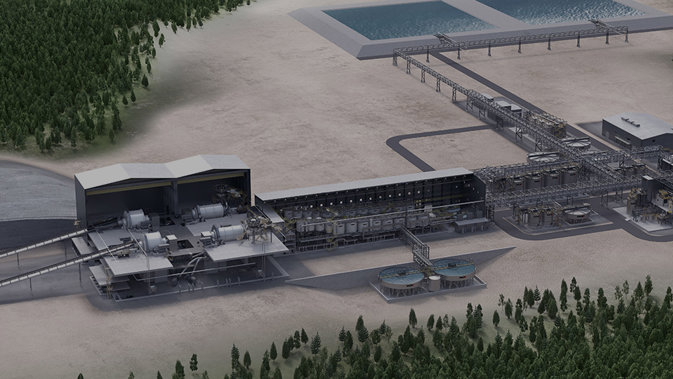
Plant

Your screen, our strength

By helping regulate the relationship between crushing, screening and grinding, screening plays an important role in stabilizing plant performance and supporting efficient operation throughout the process. For mining companies focused on long-term productivity, success depends on selecting and supporting the right screening solution throughout the lifecycle of the operation. 

That is why Metso looks at screening as a connected solution, bringing together screens, screening media, services, digital tools, process expertise and lifecycle support to help maintain performance throughout the lifecycle. 

Mining
Your information is safe. Check our privacy notice for more details.
Thank you!
We will shortly contact you. You can send a new inquiry again after 15 minutes.