Last updated Oct 2026
Old concrete, asphalt and slag do not have to go to waste. With the right crushing, screening and separation process, they can be turned into aggregate products for roads, infrastructure and other construction projects. Using recycled materials can reduce disposal needs and cut the use of virgin aggregates in suitable applications. Metso helps producers with equipment, wear parts, services and process expertise.
Why use recycled aggregates?

Recover value from waste
Turn used material into products you can use or sell.

Reduce disposal costs
Keep suitable material in use instead of sending it to disposal.

Use fewer virgin materials
Replace newly quarried aggregates in approved applications.

Process material near the source
Reduce transport needs by recycling material closer to the job.
What can be turned into recycled aggregates?
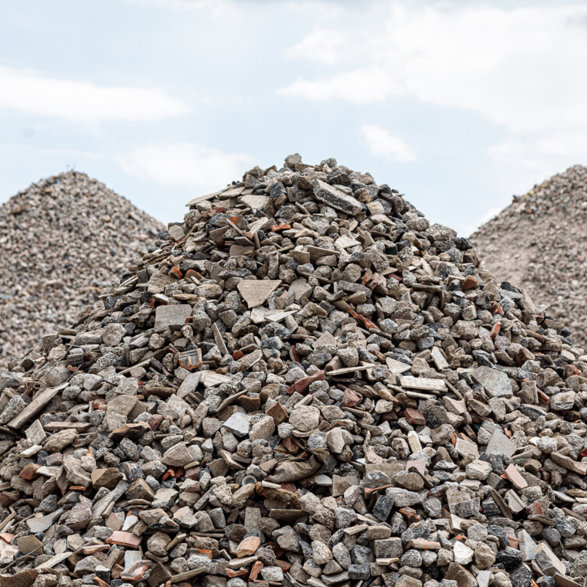
Recycled aggregates are made from materials that have already been used. Common examples include demolished concrete, bricks, asphalt millings and slag. These materials can be crushed and screened into new aggregate products.
The process removes unwanted material and separates the aggregates into the right sizes. The final quality depends on the starting material and how it is processed. When local requirements are met, recycled aggregates can replace virgin materials in selected uses.
How to produce recycled aggregates
Start by checking what is in the feed. Concrete, asphalt and slag behave differently during crushing and screening. The feed may also contain steel, soil, wood, plastic or other unwanted material.
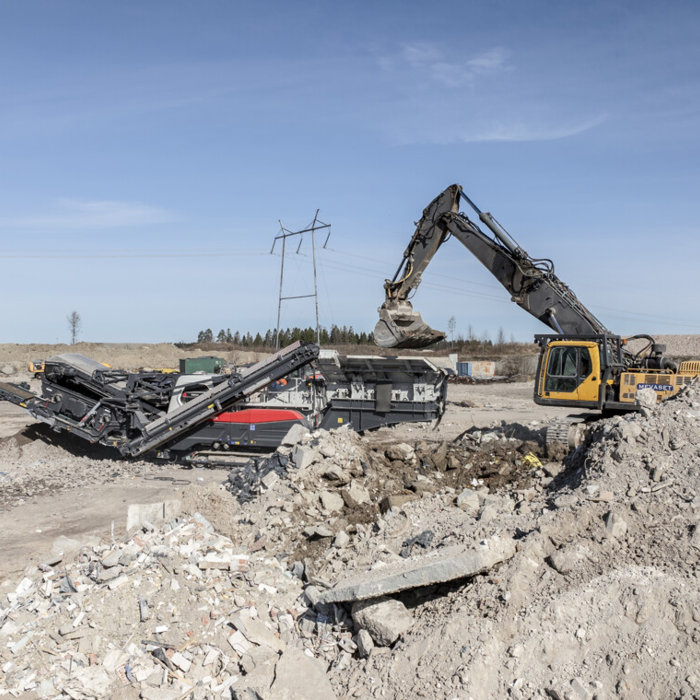
Remove large unwanted items before crushing. Crushing makes the material smaller and helps release steel from concrete or slag. Screening separates the material into different sizes. Magnets and other separation equipment remove metal, wood, plastic and other unwanted material. Oversize can go back to the crusher for another pass.
The process must produce clean material in the right sizes. The best setup depends on what you process, how much material you handle and what products you want to make.
Where can recycled aggregates be used?
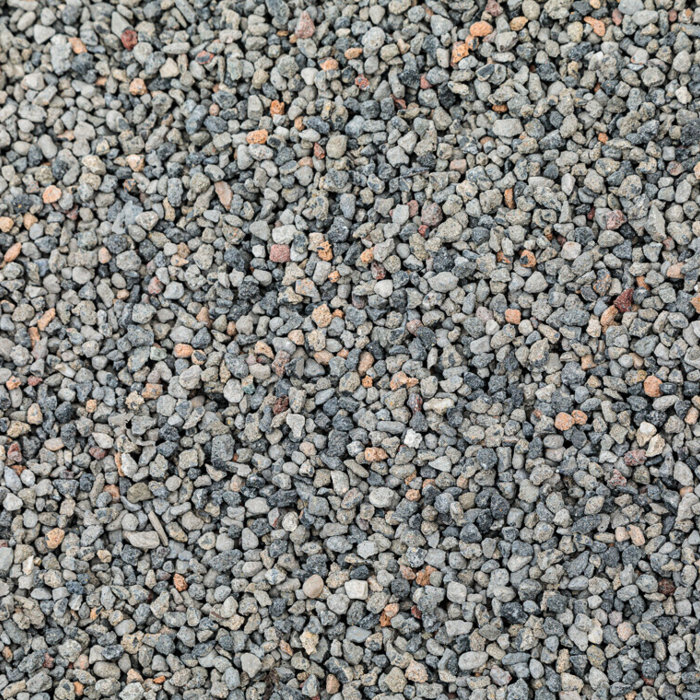
Recycled aggregates are commonly used in road construction, infrastructure and earthworks. Typical uses include road base, sub-base, fill, backfill and working platforms.
RAP can be processed for reuse in asphalt production or road layers. Recycled concrete can be used in road and infrastructure projects. Processed slag can also be used in selected road, infrastructure and industrial applications.
The final use depends on product quality, local rules and project requirements. Always check that the material is approved for its planned use.
Choose your material stream
Turn concrete, bricks, blocks and other demolition materials into useful aggregate products.
Turn asphalt millings and removed pavement into consistent RAP fractions for reuse.
Crush and screen slag into aggregate products for road and infrastructure applications where approved.
Metso recycling solutions matched to your operation
Whether your work moves site to site, relocates every couple of years, or runs from a fixed location — Metso has a plant configuration to match.
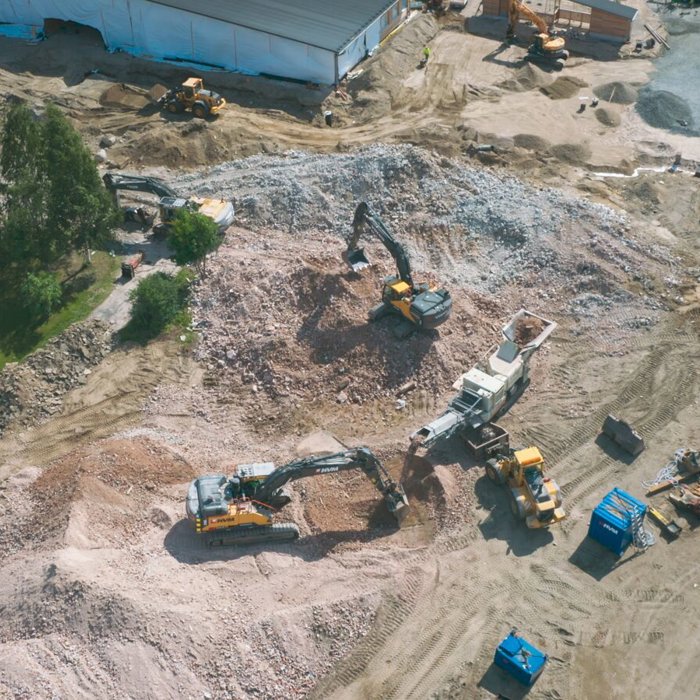
Mobile tracked crushers and screens: Lokotrack® and Nordtrack™
Tracked mobile plants move with your work. Fast setup, robust construction and Metso's IC™ process automation mean you produce from the moment you arrive on site. The Nordtrack™ range is designed for recycling, sand and gravel and soft rock — a practical, accessible choice for contractors. Lokotrack® is built for heavy recycling and hard rock, with digital support for continuous high-demand operation.
Lokotrack® Urban™ Series cuts noise by up to 60% and includes dust suppression for urban and noise-restricted sites.
Portable wheel-mounted plants: Nordwheeler™
If your operation relocates every one to two years, Nordwheeler™ wheel-mounted plants give you the efficiency of a fixed plant with the freedom to move. Fully electric, easy to permit as a non-permanent installation, and quick to install, they are a practical choice for mid-scale recycling operations where consistent output and low running costs matter.
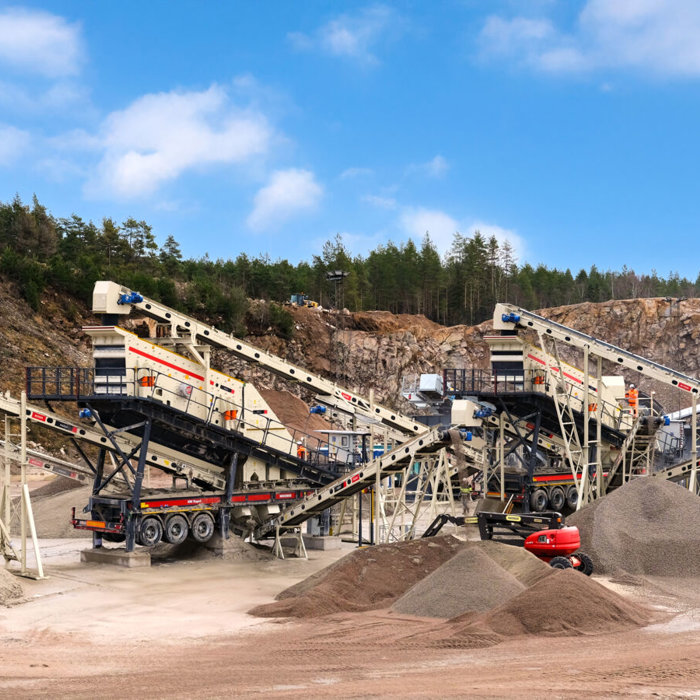
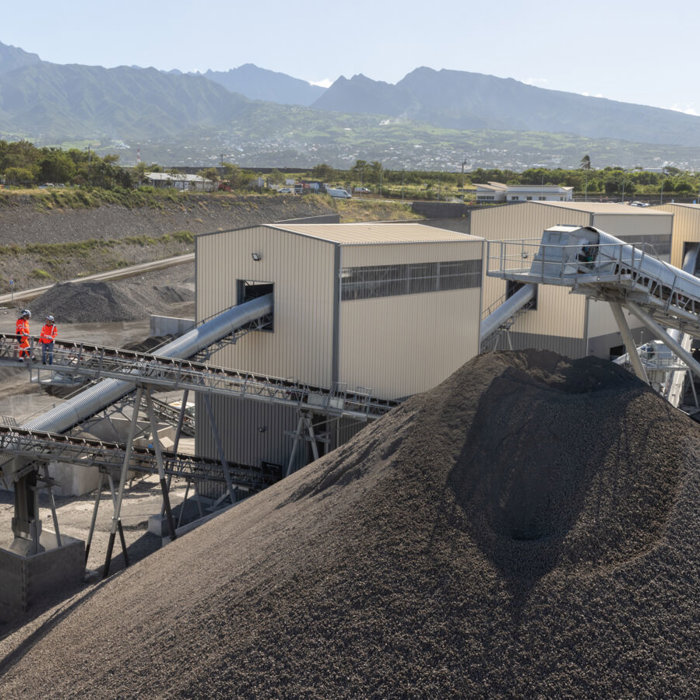
Stationary and modular plants: Nordplant™ and PrimeSite™
|
For high-volume operations at a fixed location, stationary plants deliver the capacity and process control to handle large, continuous material flows. Metso Nordplant™ pre-designed modular plants use standardised modules for faster delivery and easier assembly — reducing time from order to first production. Metso PrimeSite™ is a fully tailored stationary solution covering process planning, engineering, equipment supply and after-sales support: one partner, from design to production. For operations processing recycled concrete or mixed demolition material, washing systems remove fine particles, clay and silt that would otherwise reduce the value of the output aggregate. |
Metso recycling equipment — quick reference
Frequently asked questions
Recycled aggregates are made from materials that have already been used. Common sources include demolished concrete, bricks, asphalt millings and selected slag materials.
Virgin aggregate comes from newly quarried rock, sand or gravel. Recycled aggregate comes from material that has already been used. When processed correctly, it can be used in many construction and infrastructure applications.
Common materials include concrete, bricks, asphalt millings, suitable slag and other mineral construction waste. Check the feed before processing because different materials need different equipment and process steps.
The process usually includes sorting, crushing, screening and removing metal or other unwanted material. The exact setup depends on the feed and the products you want to make.
Common uses include road base, sub-base, fill, backfill and infrastructure work. RAP can also be reused in asphalt production. The final use
They keep useful materials in use. Concrete, asphalt and slag can be processed for new construction projects instead of being sent to disposal.


Talk to a recycling equipment specialist
Whether you need one mobile crusher or a full recycling plant, our team can help you find the right fit for your material, output requirements and budget. You can also use the form to book a free feed material test and Bruno process simulation to support your decision.
Your information is safe. Check our privacy notice for more details.
Thank you!
We will shortly contact you. You can send a new inquiry again after 15 minutes.