
Last updated Oct 2026
Slag can be processed into aggregate products for road construction, infrastructure and other approved applications. Crushing reduces the material to the required size, while screening separates it into controlled fractions. Slag can be abrasive and may contain uncrushable objects, so the equipment and wear parts need to match the feed. The final use of recycled slag depends on the slag type, product quality and local requirements.

Produce aggregate products
Create controlled product sizes

Reduce disposal needs
Keep suitable slag in use

Replace virgin materials
Use recycled slag where approved

Handle demanding feed
Match equipment to slag
What slag can be recycled?
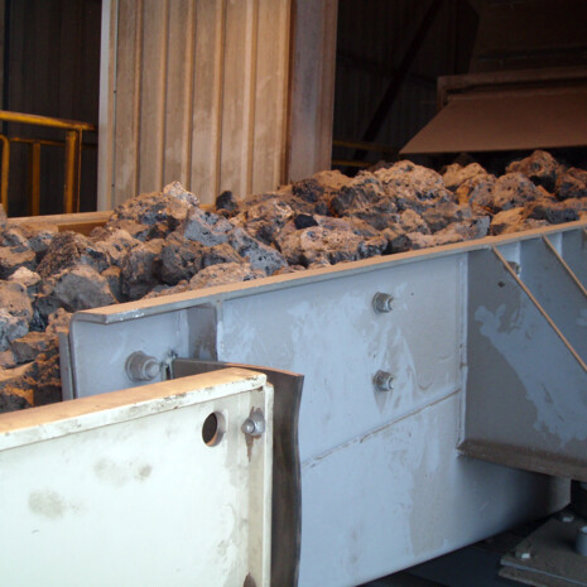
What makes slag different from natural rock?
Slag can be processed with much of the same crushing and screening equipment used for natural aggregates. The material is fed to a crusher, reduced to the required size and screened into different product fractions.
What makes slag different is the feed itself. Depending on the slag type, it can be abrasive, variable and contain uncrushable material. These properties can affect crusher selection, wear-part selection and maintenance. The equipment and settings therefore need to match the actual slag and the products you want to make.
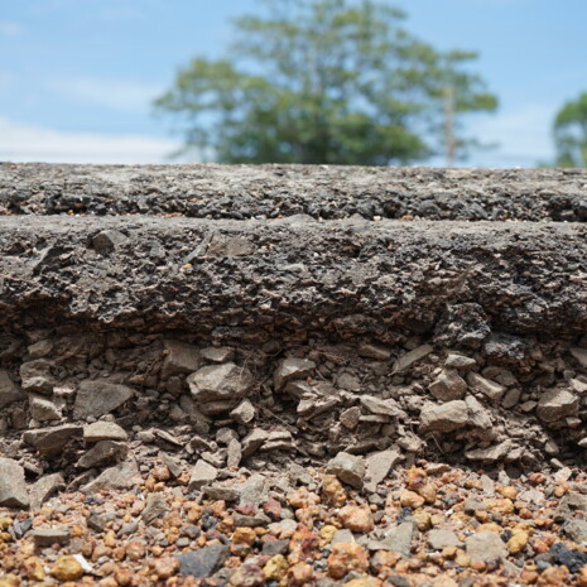
Recycled slag can be used as aggregate in applications such as road base and sub-base where local requirements allow. The material must meet the quality and stability requirements for its intended use.
Screening is an important part of the process because it separates the crushed slag into the required aggregate sizes. Oversize material can be returned to the crusher for further processing.
Where can recycled slag be used?
Suitable recycled slag can be used as aggregate in selected road and infrastructure applications. Depending on the slag type, material properties and local requirements, uses can include road base, sub-base and other approved construction applications. The processed material must meet the specifications and stability requirements for its intended use.
Metso solutions for slag crushing and screening
Metso recycling equipment — quick reference
Frequently asked questions
Slag is a by-product formed during metal production. Depending on the process, slag can have different properties and composition. Suitable slag can be processed by crushing and screening into aggregate products for selected construction and infrastructure applications. The final use depends on the slag type, material properties and local requirements.
In some countries and applications, suitable recycled steel slag can be used as aggregate in road base and sub-base. The material needs to meet the applicable requirements for product quality, gradation and stability before it is used.
Slag can be processed with similar feeding, crushing and screening equipment as natural aggregate, but its properties can vary. Some slag can create demanding crushing and wear conditions and may contain uncrushable objects. These factors need to be considered when selecting the crusher, wear parts and process settings. Screening separates the crushed slag into controlled aggregate fractions for the required end use.
A slag aggregate production process can include feeders, crushers, screens and conveyors. Crushing reduces the slag to the required size, while screening separates it into the required aggregate fractions. Oversize can be returned to the crusher for further processing.
Metso offers jaw, impact and HRC™ crushing technologies for different processing stages. HRC™ high-pressure grinding rolls can be considered for smaller and difficult feed where product gradation and particle shape need to be controlled. The right equipment depends on the slag properties, feed size, capacity and required product.
Slag can contain uncrushable objects that can interrupt crushing. On Metso jaw crushers, Active Setting Control (ASC) can help protect the crusher. When an uncrushable object enters the cavity and the crushing force reaches the preset maximum level, ASC automatically opens the setting so the object can pass. The setting then returns to its original position for continued crushing. For applications where reverse crushing may be considered for clearing blockages, ASC uses a different approach: it opens the crusher setting to release the uncrushable object.
Slag places different demands on crusher wear parts depending on its properties and abrasiveness. The wear material should be selected for the crusher, feed and operating conditions.
Metso offers recycling-specific jaw dies and impact-crusher blow bars, including martensitic options with ceramic inserts for highly abrasive applications. Matching the wear parts to the actual feed helps maintain crusher performance and wear life.
The right equipment depends on the slag properties, feed size, required capacity, target product sizes and final application. Metso can support equipment and process selection with free-of-charge feed material testing in our rock laboratory and Bruno process simulation. These services can help evaluate the material and compare different crushing and screening setups to find a suitable solution. Contact your Metso sales representative or local Metso distributor to learn more.

Talk to a recycling equipment specialist
Whether you need one mobile crusher or a full recycling plant, our team can help you find the right fit for your material, output requirements and budget. You can also use the form to book a free feed material test and Bruno process simulation to support your decision.
Your information is safe. Check our privacy notice for more details.
Thank you!
We will shortly contact you. You can send a new inquiry again after 15 minutes.