
Mining
Published Nov 24, 2026

Building confidence through pump trials

Sam Vincent
Sam Vincent
Area Sales Manager - Pumps, Australia West
A practical look at how pump trials validate system performance, reduce risk and help operators make confident long-term decisions.
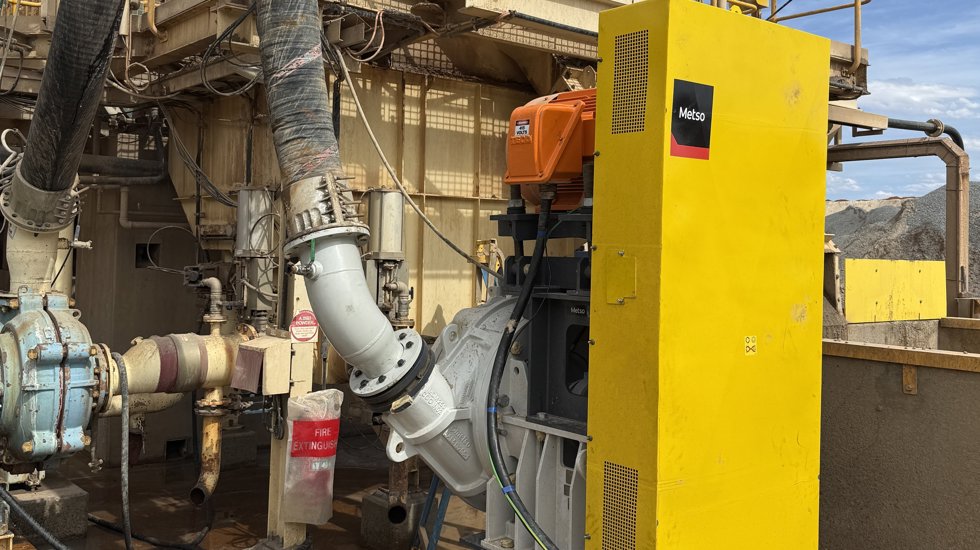
Metso pumps trial in action

Why pump trials matter

In mining operations, every maintenance shutdown comes at a cost. When slurry pumps wear out sooner than expected, sites face increased maintenance requirements, unplanned downtime and higher operating costs.
While performance modelling and engineering calculations provide a valuable starting point, the true measure of a pump's capability is how it performs under real operating conditions. Variables such as slurry characteristics, operating practices and site-specific conditions can all influence equipment performance in ways that are difficult to fully predict.

That's why Metso offers a structured pump trial solution, providing clients with an effective offering to evaluate pumping performance before making a long-term commitment.

A pump trial allows operators to assess real-world performance within their own process environment, providing a low-risk opportunity to validate wear life, reliability and operational suitability before rolling out a broader implementation. In many cases, pump trials are initiated when an existing pump fails to meet operational expectations. However, they can also be run to identify opportunities for further optimisation and provide valuable data that supports future plant improvements.

Beyond simply measuring component wear life, pump trials can provide important insights into overall system performance. Operators can monitor factors such as maintenance intervals, energy efficiency, throughput capability and equipment reliability over an extended period.

In mining operations, premature slurry pump wear can mean more maintenance interventions, unplanned downtime and higher operating costs.

Engineering calculations and performance modelling provide an important starting point, but they cannot fully replicate the conditions a pump will encounter in operation. Slurry characteristics, operating practices and site conditions can all affect wear life and performance.

Pump trials provide an opportunity to validate performance under actual operating conditions before committing to broader implementation. They can also generate operational data that helps identify further optimisation opportunities.

A recent trial at a gold operation in Western Australia shows the potential value: pump wear life increased from approximately 1,000 operating hours with the existing solution to 3,221 hours following testing and design refinement.
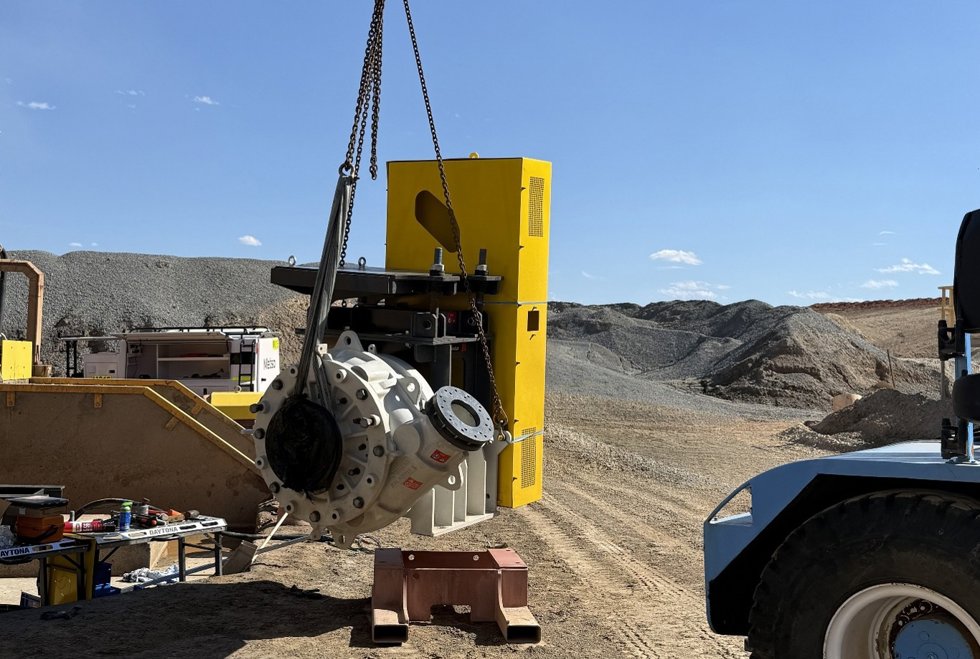
From 1,000 to 3,221 operating hours

The site's existing slurry pump was achieving approximately 1,000 operating hours before requiring replacement or significant maintenance intervention. At the same time, the operation was preparing for future throughput increases and needed confidence that its pumping system could support growing production demands without increasing maintenance requirements.

The objective was clear, improve wear life, reduce the frequency of pump rebuild events and establish a solution capable of supporting future operational growth.

To measure the success of the trial, an initial target of 1,300 operating hours was established, representing a 30% improvement over the pre-existing pump's performance. The results exceeded expectations.

With an MDM250 installed, the first campaign achieved 1,800 operating hours, comfortably surpassing the target and delivering an 80% improvement over the site's previous benchmark.

Encouraged by these outcomes, further refinements were made to the pump design. Following the identification of excessive abrasive wear on the metallic back liner, a natural rubber alternative was introduced. Natural rubber was selected for its superior resistance to fine-particle slurry erosion under suitable operating conditions. Unlike rigid metallic liners, rubber's elastic properties allow it to deform and recover as abrasive particles contact the surface, reducing material removal. This change was aimed at improving wear resistance and further extending component service life.

The subsequent trial of the enhanced pump delivered 3,221 operating hours, more than three times the approximately 1,000 operating hours achieved with the site's previous pump. This result confirmed the effectiveness of the design refinements and demonstrated the value of using real-world operational data to drive continuous performance improvements.

What makes this outcome particularly significant is that the improvement wasn't achieved through a single design change, but through a structured trial process. By continuously monitoring performance, analyzing component wear patterns through detailed in-house inspections and implementing targeted design refinements, we were able to progressively improve the pump's reliability and wear life.
Sam Vincent, Area Sales Manager - Pumps, Australia West

By testing equipment in a live operating environment, sites can identify incremental improvements that may not be apparent through modelling or workshop testing alone. The trial also provided the customer with greater confidence in its ability to support future production targets. With improved wear life, operations can spend more time focused on production and less time managing equipment change-outs, creating benefits that extend beyond the pump itself.

APA pumps trial in action

Confidence backed by real results

Every pumping application is different. What works in one operation may not deliver the same outcome in another, which is precisely why pump trials are so valuable.

The greatest benefit of a pump trial is not simply proving that a pump can work. It's providing operators with a low-risk environment to adjust and validate a solution under real operating conditions, building confidence before making a long-term decision.

For mining operations facing rising production demands, ageing equipment or ongoing maintenance challenges, the ability to test and validate a solution before broad deployment can significantly reduce operational risk. The insights gained during a trial often extend beyond the equipment itself, helping operators better understand process conditions and identify opportunities for broader plant optimisation.

The pump trial demonstrated how testing can uncover opportunities for improvement, validate performance expectations and help operators make informed decisions based on measured results rather than assumptions.

When reliability, maintenance costs and operational performance are critical, pump trials provide something every operation values: confidence backed by evidence.

Enjoyed this article? Try this next
Slurry pump selection – Choosing the right solution for your duty
When it comes to new slurry pump installations, focusing on the data is key to ensure that the optimal pump selection is made.
Read more
Mining
Your information is safe. Check our privacy notice for more details.
Thank you!
We will shortly contact you. You can send a new inquiry again after 15 minutes.