First published on mining.com in April 2026.
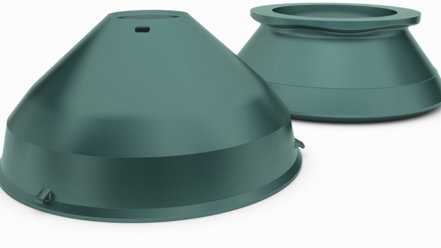
In mining operations, crushing and screening are often discussed as individual machines, along with the spare and wear parts needed to keep them running. This perspective is understandable from an operational or maintenance standpoint. However, it overlooks how closely these stages are connected. Crushing and screening do not operate independently. Perhaps the key issue is not only recognizing this connection, but working accordingly and also managing it as conditions change.
When this system works well, material moves more consistently through the plant. Energy use becomes more predictable. Downstream processes also experience fewer disruptions. When the system is not well aligned, problems rarely stay limited to one machine. A limitation in one area, whether related to equipment, wear parts, or operating conditions, often appears elsewhere in the circuit. This can create bottlenecks and reduce production.
Mining plants also operate under constant change. Ore properties vary, targets shift and equipment wears over time. In this environment, decisions made in the crushing and screening stages can either support stable operation or make control more difficult as conditions change.
Start with the ore, not the equipment
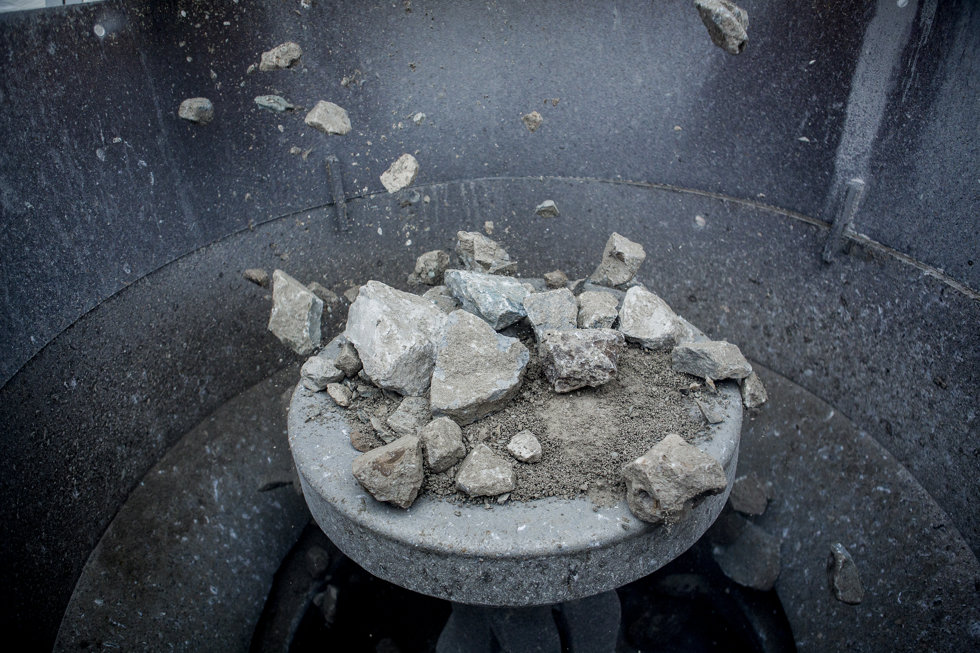
Effective crushing and screening design starts with understanding the ore. Hardness, abrasiveness, moisture, density and variability all influence how material behaves during size reduction and classification. Ore property definition is a major focus during a new plant development phase, but it is important to frequently revisit the feed properties as the mine develops and production needs evolve.