Aggregates recycling — crushing concrete, asphalt & demolition waste
Why choose Metso for aggregates recycling

Reduced disposal and haulage costs
On-site processing cuts truck loads, landfill fees and haulage, improving project margins.

Recovered saleable products
Crushed concrete, asphalt and soil become certified road base, fill and drainage material you can sell or reuse.

Lowered carbon footprint per tonne produced
Reusing waste on-site cuts raw material extraction and transport emissions.

High equipment uptime
OEM wear parts, predictive maintenance and global service support keep crushers running.
Recycling construction waste comes with unique challenges
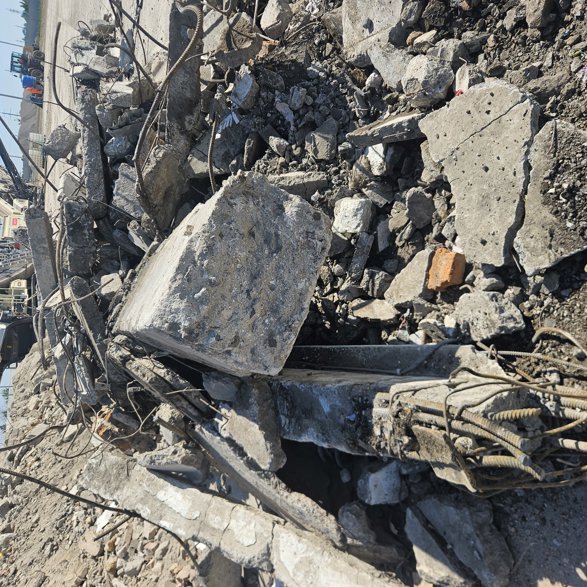
What is aggregates recycling?
Aggregates recycling turns construction waste, like concrete rubble, reclaimed asphalt (RAP), demolition debris and slag, into graded materials for roads, foundations and fill. The process typically runs in three stages:
- Primary crushing: a jaw or impact crusher breaks down large slabs and chunks.
- Screening and separation: vibratory screens classify material; magnets, windsifters and wash systems remove metal and contaminants.
- Secondary processing: crushers refine fractions further
Operations run on the demolition site, at a temporary production point or at a permanent recycling facility. Materials that are processed:
- Concrete and brick rubble (RCA — recycled concrete aggregate)
- Reclaimed asphalt pavement (RAP)
- Mixed construction and demolition (C&D) waste
- Slag from steelmaking
- Soil for landscaping or fill material
Where recycled aggregates are used
Processed recycled material replaces virgin aggregate across a range of applications:
- Road construction: RAP is blended back into new asphalt mixes at 20–30%+, cutting material costs and transport emissions.
- Foundations and sub-base: certified crushed concrete (RCA) replaces virgin stone in road base and drainage sub-base.
- Landscaping and fill: screened soil and fines replace virgin fill for landscaping, remediation and backfill.
- Slag beneficiation: processed steel slag partially replaces natural aggregates in concrete and infrastructure ballast.
- Manufactured sand: concrete waste processed with Metso's HRC™ 8 can meet ASTM C-33 concrete sand specifications.
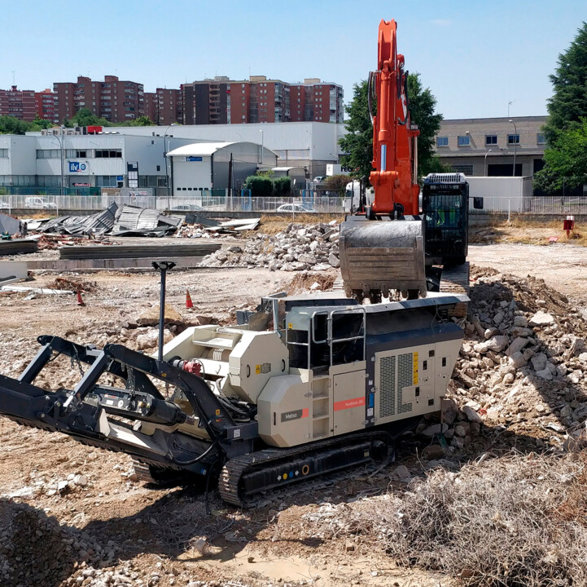
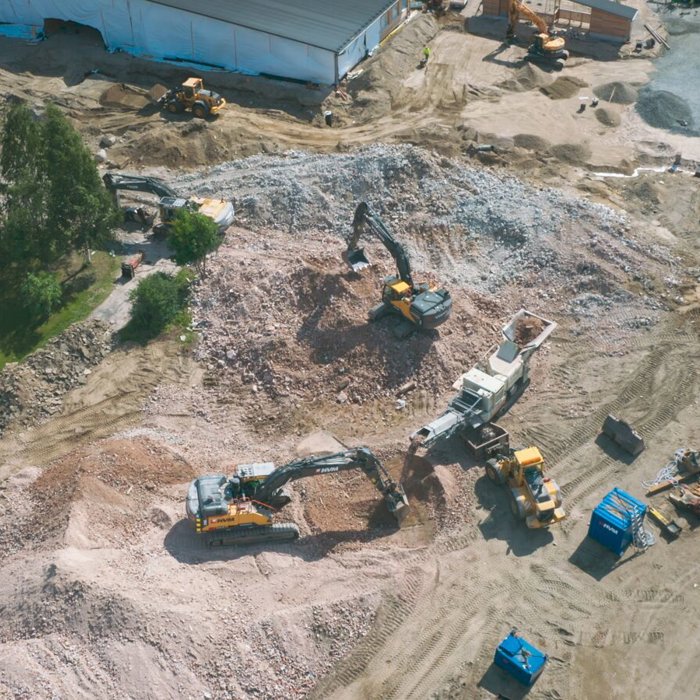
Metso recycling solutions matched to your operation
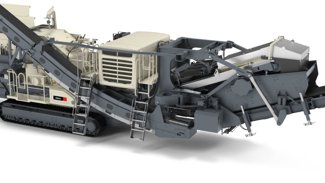
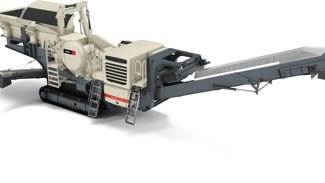
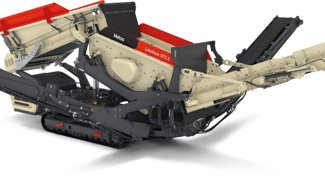
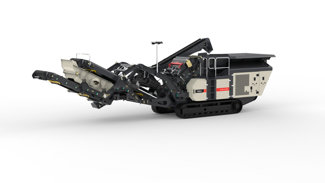
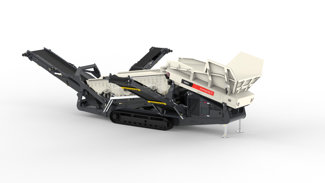
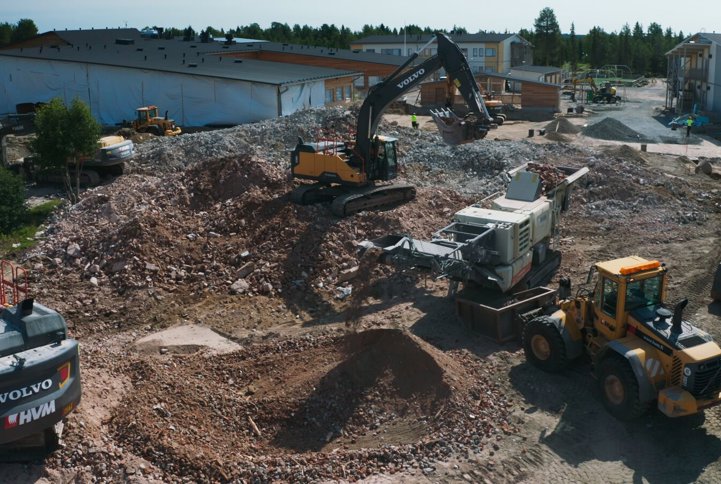
Tracked mobile plants move with your work. Fast setup, robust construction and Metso's IC™ process automation mean you produce from the moment you arrive on site. The Nordtrack™ range is designed for recycling, sand and gravel and soft rock — a practical, accessible choice for contractors. Lokotrack® is built for heavy recycling and hard rock, with digital support for continuous high-demand operation.
Lokotrack® Urban™ Series cuts noise by up to 60% and includes dust suppression for urban and noise-restricted sites.
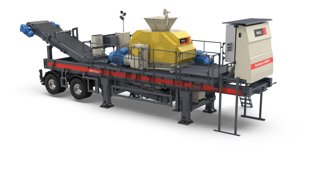
If your operation relocates every one to two years, Nordwheeler™ wheel-mounted plants give you the efficiency of a fixed plant with the freedom to move. Fully electric, easy to permit as a non-permanent installation, and quick to install, they are a practical choice for mid-scale recycling operations where consistent output and low running costs matter.
|
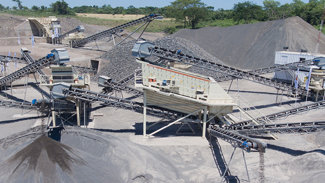
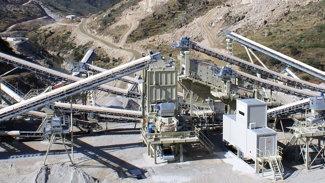
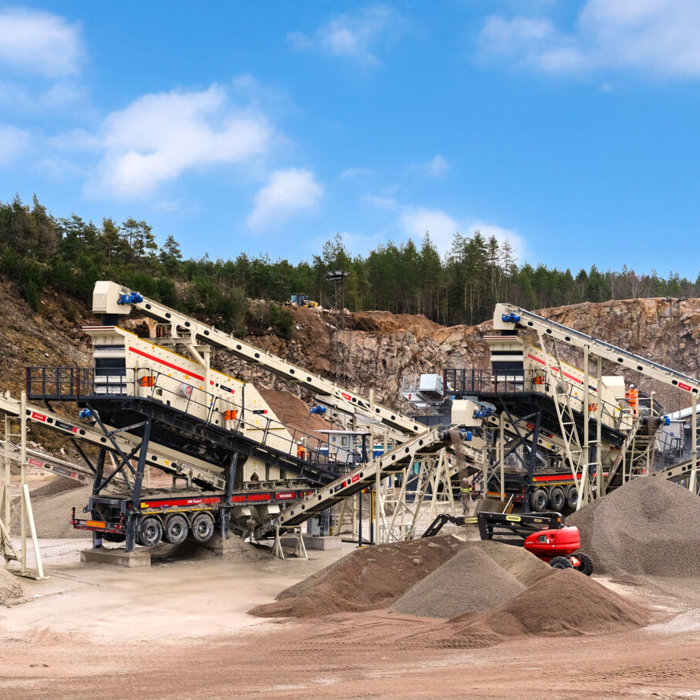
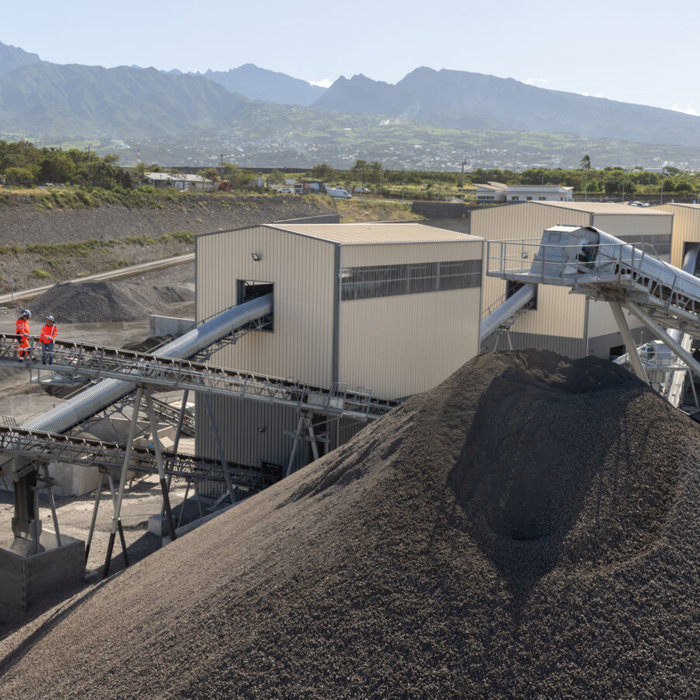
For high-volume operations at a fixed location, stationary plants deliver the capacity and process control to handle large, continuous material flows. Metso Nordplant™ pre-designed modular plants use standardised modules for faster delivery and easier assembly — reducing time from order to first production. Metso PrimeSite™ is a fully tailored stationary solution covering process planning, engineering, equipment supply and after-sales support: one partner, from design to production. For operations processing recycled concrete or mixed demolition material, Metso washing systems remove fine particles, clay and silt that would otherwise reduce the value of the output aggregate. |
Equipment selection FAQ
Go mobile tracked (Lokotrack®, Nordtrack™) when you move frequently between sites and need a quick setup and move the machine on-site. Choose portable wheel-mounted (Nordwheeler™) when you relocate every one to two years and want fixed-plant efficiency with electric power and straightforward permitting.
Jaw crushers (Nordberg® C Series™) handle concrete and demolition waste well. Their Active Setting Control deals with rebar and other uncrushables in the feed. Impact crushers (Nordtrack™, NP Series™) are preferred for asphalt: high reduction ratio, good at sticky material. For manufactured sand from recycled concrete, the HRC™ 8 roll crusher handles wet or abrasive feeds turning them to seleable products.
Yes. Mobile crushers can be fitted with magnetic separators for ferrous metal and windsifters for light materials like plastic and insulation. Active Setting Control (ACS) on jaw crushers opens the cavity automatically when unbreakables enter protecting the machine without stopping production.
Not always. Many high-volume operations run a combination: mobile units do primary crushing at the source, stationary screens and secondary crushers process output at a central facility. Metso's Bruno simulation software models your actual material and different plant setups so you can compare options before committing.
Recycling feeds are tougher on wear parts than quarry rock. Manganese steel work-hardens under hard impact but wears faster in soft feeds like asphalt. For abrasive feeds, slag, contaminated concrete, metal alloy parts with ceramic inserts last longer and keep output consistent. Metso's wear specialists help you pick the right spec from the start.
Metso recycling equipment — quick reference
Key equipment options
{{ displayTitle }}
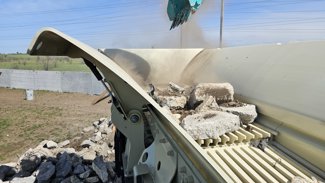
Pan feeder and grizzly scalper with two vibrating units — handles uneven feed without blockages and separates fines before the crusher.
{{ displayTitle }}
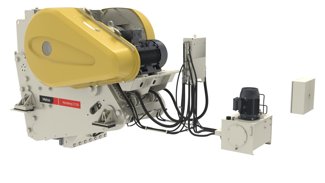
Opens jaw crusher cavity automatically when unbreakables enter — protects machine, no production stop.
{{ displayTitle }}
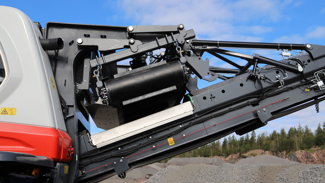
Removes ferrous metal (rebar, wire) from the product stream.
{{ displayTitle }}
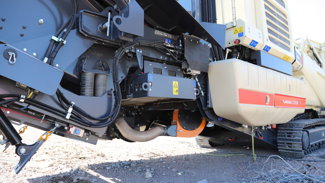
Separates light materials (plastic, wood, insulation) from crushed aggregate.
{{ displayTitle }}
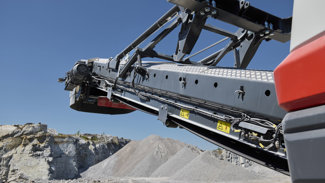
Dust enclosures keep the site cleaner and make it easier to get crushing permits in residential and built-up areas.
{{ displayTitle }}
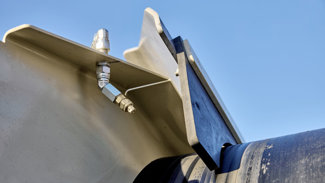
Water sprays control dust at the crusher and conveyors.
{{ displayTitle }}
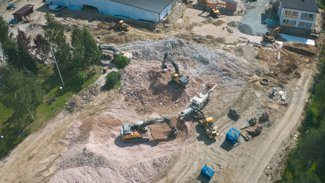
Purpose-built for noise-restricted and urban sites — reduces crusher noise by up to 60% with integrated dust suppression.
{{ displayTitle }}
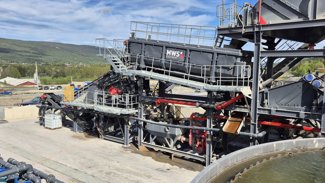
Washes out clay, silt and fines from recycled concrete and C&D waste — keeping output quality and value high.