The future of minerals processing
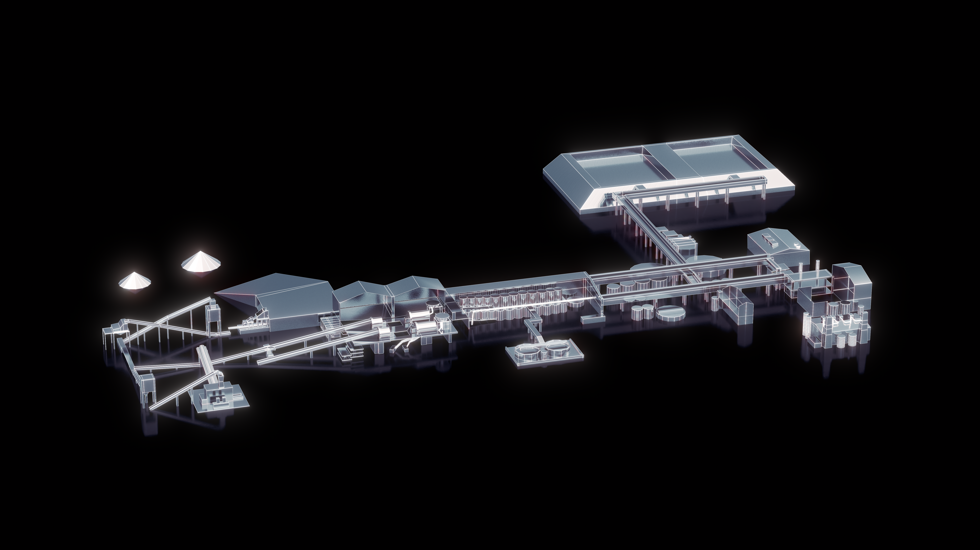
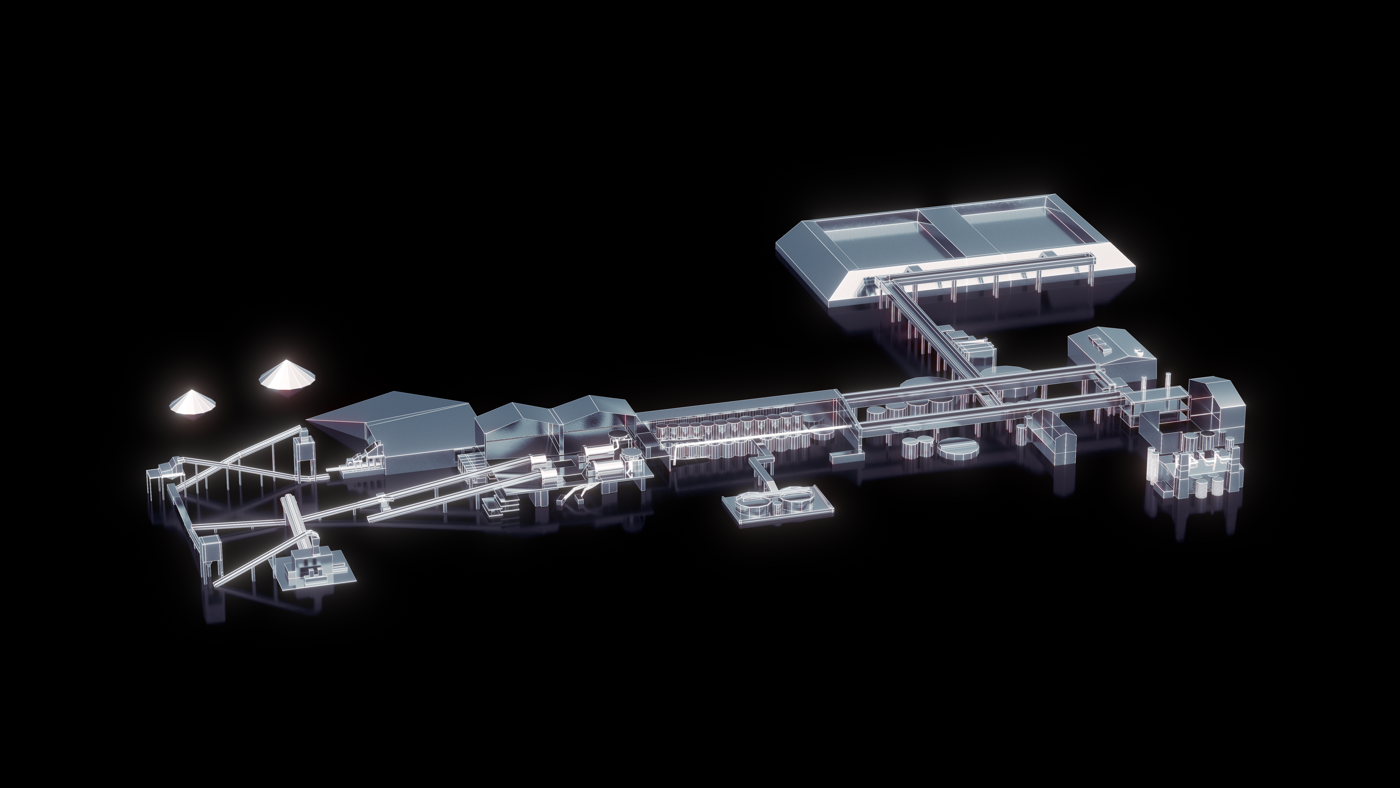
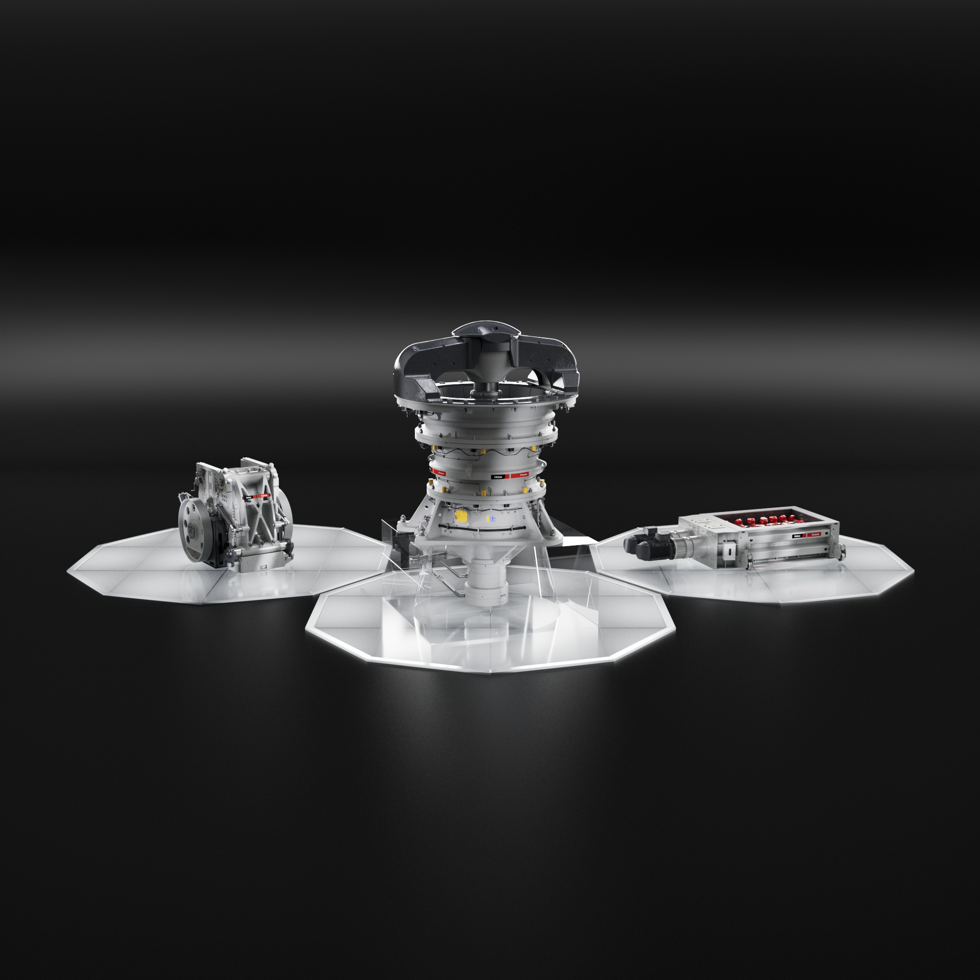
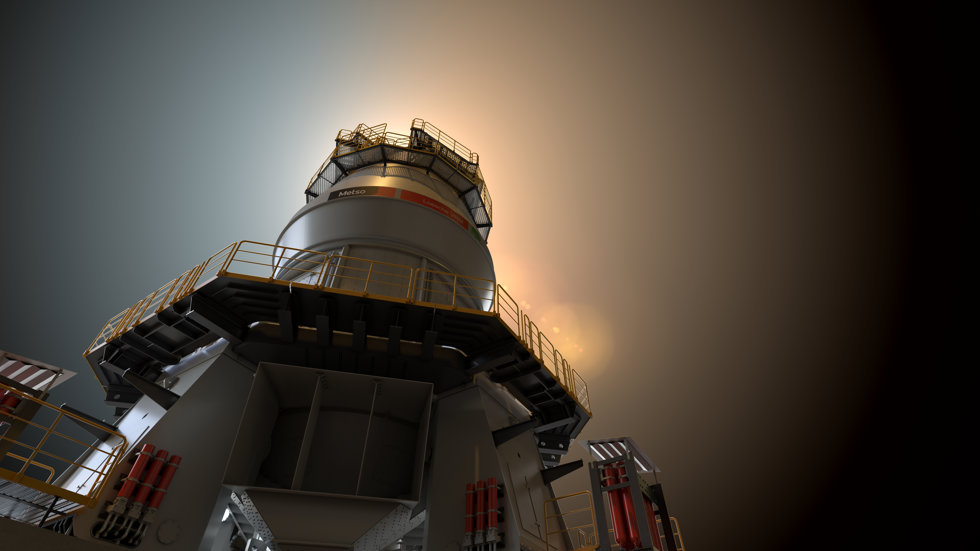
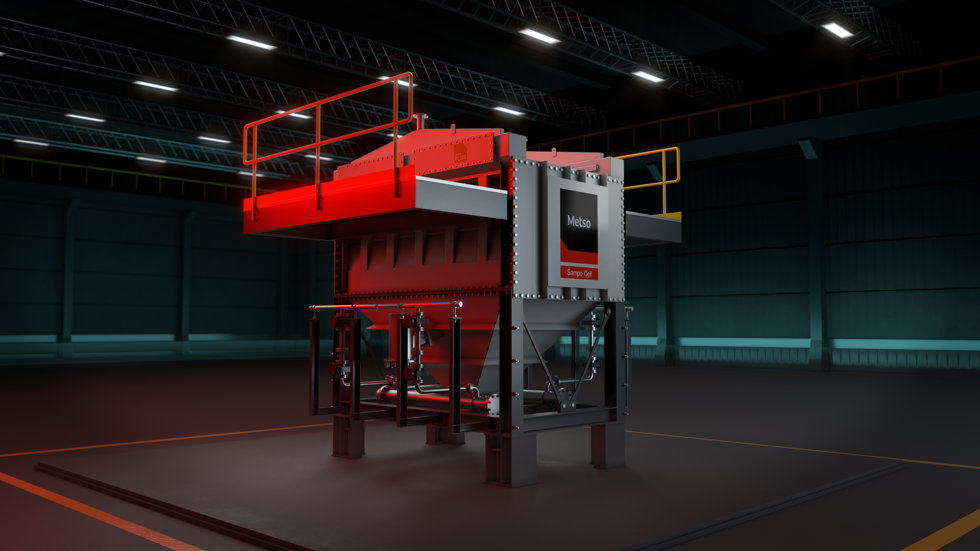
The future is not about a single breakthrough technology. It is about finding the right combination of technologies for each orebody, operating environment, and business objective. For one operation, the optimal solution may combine a high-capacity primary crusher such as Primarok™ with advanced digital production management solutions. For another, the greatest value may come from combining a VRM grinding circuit with coarse particle flotation using Sampo™ Cell to reduce energy consumption and maximize recovery.
"There is no silver bullet that will solve all minerals production challenges", states Juan Frausto, Sales manager for Metso.
Juan is also a recent recipient of the 2025 CEEC Medal for Operations and Design as joint author of the paper "Extending the dry processing route" covering the growing importance of technologies such as VRM that can reduce water requirements and support more efficient mineral production. "We always need to consider the ore properties as well as the specific applications and should not fear considering different configurations outside of conventional circuits. Some examples could be hybrid flotation circuits, such as pneumatic flotation cells like the Concorde Cell™ in combination with conventional flotation technology. Another example could be early adoption of VRM technologies for single product or dual product outcomes in combination with coarse particle recovery, which could also be an important option to explore specific applications,” he continues.
In the end, the most successful operations will be those that take a whole-flowsheet approach, integrating equipment, process expertise, AI-powered digital solutions and automation, supported by expert services into a single optimized system.
As ore grades decline and sustainability expectations increase, the winners will be mines that can process more tons, consume fewer resources, and recover more value. That is where the next generation of mineral processing is heading.