
Mining
Dec 17, 2025

Reline your thinking (4/4): Designing for efficient mill maintenance

Jared Le Cras
Jared Le Cras
Director, Mill reline equipment, Metso
Danny Smith
Danny Smith
Technology Manager, Mill reline equipment
Horizontal grinding mills are the backbone of mineral processing operations, but their maintenance—particularly mill relining—remains one of the most significant contributors to plant downtime and cost. While the industry recognizes this challenge, the opportunity to influence maintenance efficiency lies largely in the design phase. This article explores how thoughtful engineering decisions can dramatically improve safety, streamline workflows, and reduce shutdown durations.

Why design matters for maintenance

Maintenance efficiency is shaped long before the first liner is installed. Plant designers face competing priorities—structural integrity, cost, and operational flexibility—yet overlooking maintenance considerations can lock in inefficiencies for decades. By embedding maintenance-friendly features early, operators can achieve safer, faster, and more predictable shutdowns. 

This discussion focuses on four pillars: 

  1. Personnel safety

  2. Task efficiency

  3. Interface management

  4. Digitalization for continuous improvement 


  1. Personnel safety: Designing out hazards 

Safety is non-negotiable. Relining exposes crews to fall risks, electrical hazards, suspended loads, and falling objects. Many of these hazards can be mitigated—or eliminated—through proactive design. 

Fall hazards 

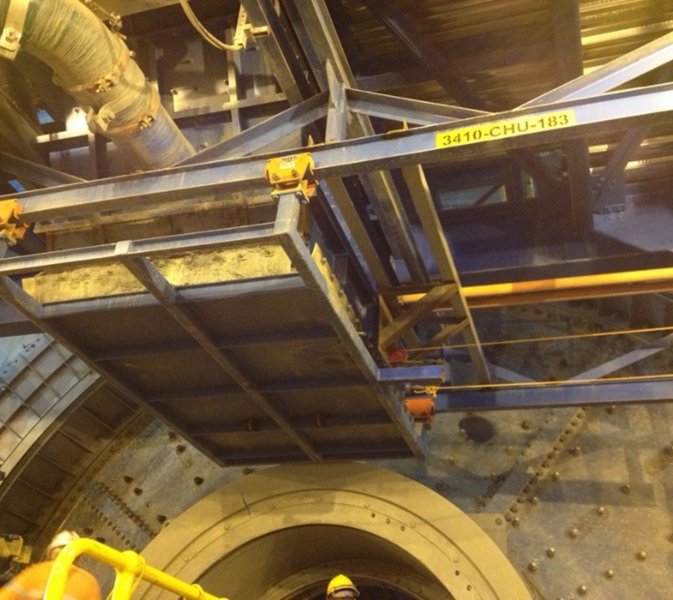
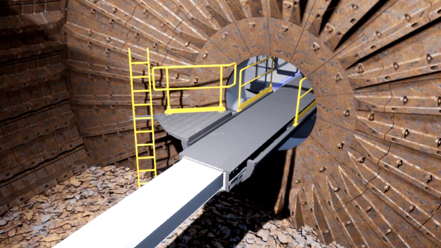
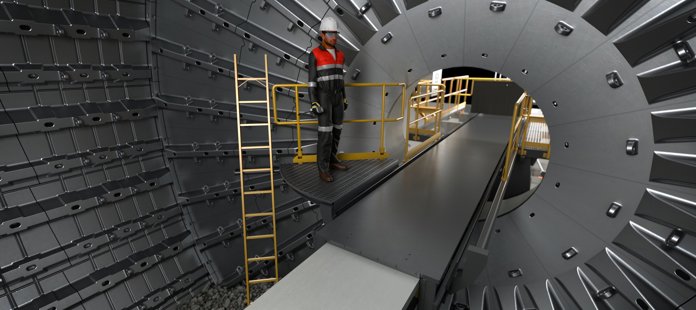
  • Grinding mill access: Operators often walk on narrow beams on the Mill Reline Machine (MRM), several meters above ground. Harness systems are ineffective due to clearance limits, so best practice is to use platforms with guardrails and a dedicated ladder. 

  • MRM work platforms: The rear platform area must remain open for forklift access, creating fall risks. Guardrails should be used to separate the open and enclosed areas, with harness points available is access to the open area is required. 

  • Mill deck gaps: Gaps exceeding 300 mm between the mill and deck pose serious hazards. Designers should integrate gridmesh platforms rated for personnel and heavy tools, ensuring they don’t interfere with mill rotation. 

Trip hazards 

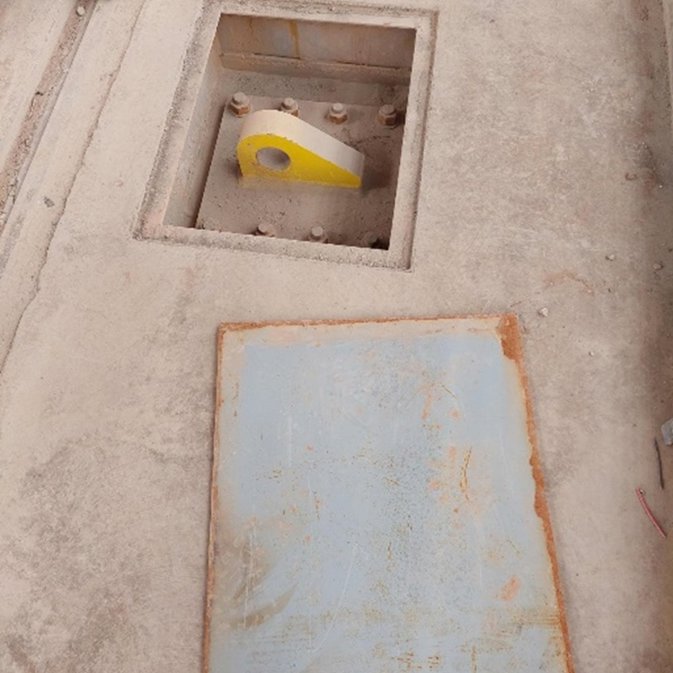
  • Rear anchors: Recess anchors should be below deck level and covered post-reline to restore a flat surface.

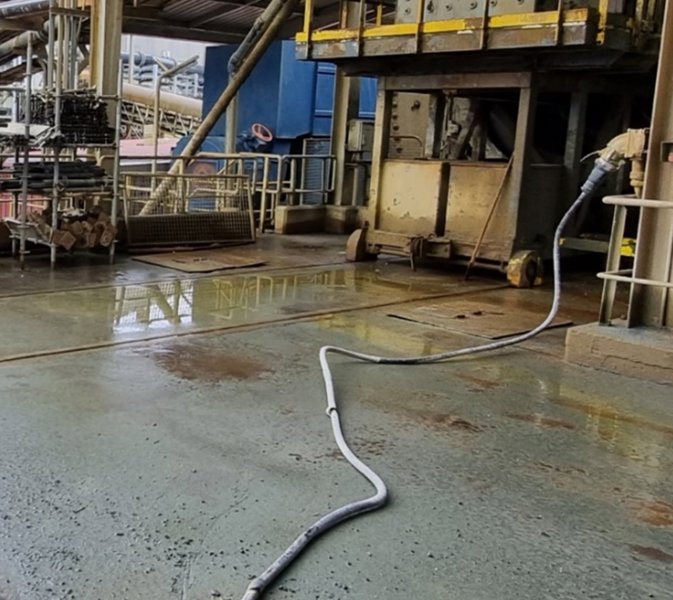
  • Trailing power cables: Brightly colored cables, strategic socket placement and multiple spotters during mobilization reduce trip and electrical risks.

  • Utility routing: Define “no-go zones” for cable trays and piping in reline-critical areas to keep work zones clear. 

Electrical safety 

  • Trailing power cables: A pilot core monitoring system should be implemented to detect faults and trip breakers automatically. Ensure only female connectors are energized when disconnected.

  • Lockout / Tagout (LOTO): Use Safe Torque Off (STO) functionality in VSDs or Off-Load Disconnect switches (OLDS) to provide full isolation for electrical tasks. 

Suspended and falling object hazards 

  • Overhead crane loads: Plan liner transport paths to avoid high-traffic zones.

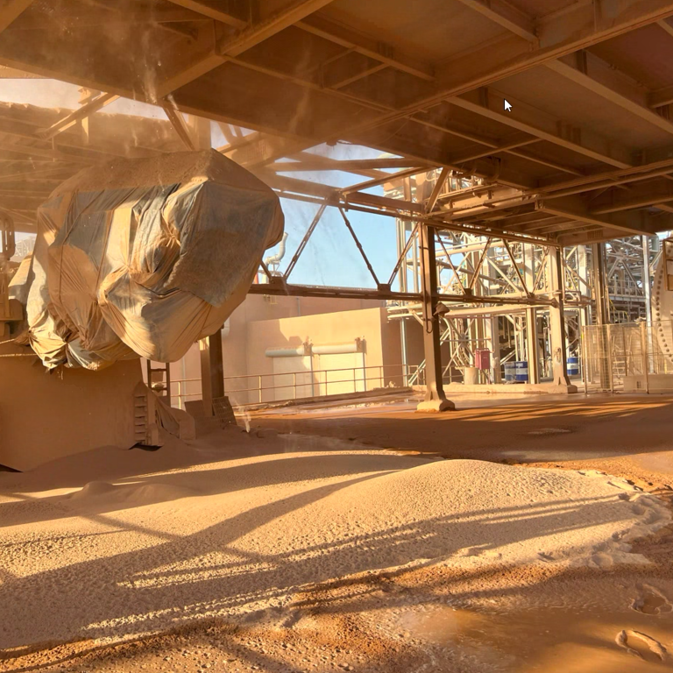
  • Feed chute covers: Include chute covers with drainage to prevent falling debris and water accumulation.

  • Mill deck edges: Install kick plates and define exclusion zones beneath the mill during relining. 
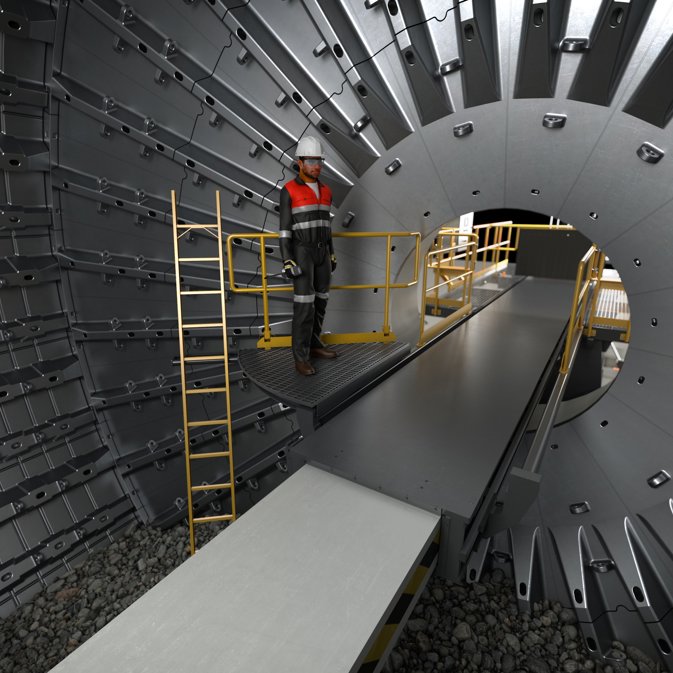
Charge access platform
Charge access platform.
Sunken rear MRM anchors
Sunken rear MRM anchors.
Trailing cable across deck
Trailing cable across deck.
Feed chute cover
Feed chute cover.
  1. Task efficiency: designing for speed and safety 

The plant layout directly impacts reline duration. Key considerations include: 

Ease of access 

  • MRM access: Use steering diagrams to map the MRM’s travel path and resolve clearance issues early. 

  • Storage: Allocate a clean, dry storage bay for the MRM, with anchors for maintenance and training. This prevents deterioration and supports hands-on operator practice. 

  • Bolt access: Ensure a clear working envelope for Liner Removal Tools (LRTs)—at least 2,700 mm along the bolt axis—to avoid manual bolt removal methods. 

  • Dual-side access: Simultaneous access to both mill sides can cut shutdown time significantly, especially for gearless mills where inching is slow. Drive arrangements (single outboard vs. dual Z configuration) must be coordinated early to enable this. 

Equipment sizing 

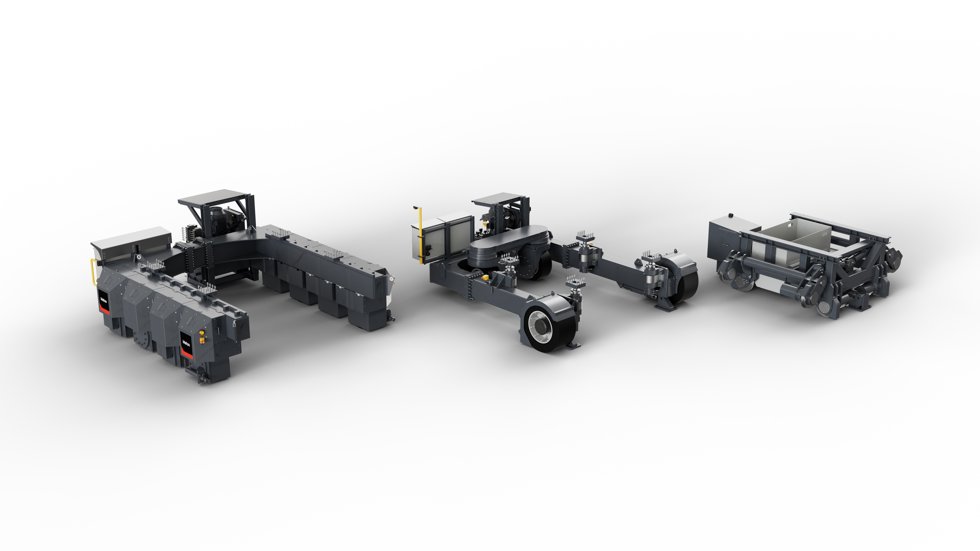
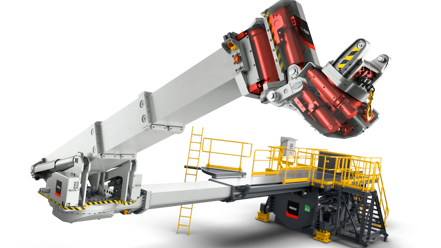
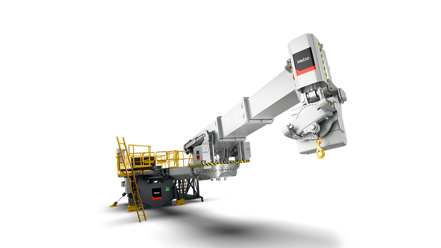
  • MRM: Size and capacity should align with mill dimensions and future upgrade paths. Design foundations for maximum theoretical capacity—even if initial machines are smaller.

  • LRT: Large SAG mills require tools delivering at least 1,500 Joules impact energy; smaller mills can use lighter tools for faster handling. 

Feed chute mobilization 

  • Winch-driven trolleys: Cost-effective for <40-tonne chutes.

  • Powered trolleys: Suitable for mid-sized chutes; dual-axis designs improve access but require robust rail maintenance.

  • Transporters: Offer maximum flexibility for heavy chutes and multi-mill plants, reducing reliance on overhead cranes. 

Mill deck design 

  • Foundation loads: Account for operational, mobilization, and storage loads from MRMs, tooling, and stacked liners (30–40% of total set). 

  • Deck height: Optimize relative to charge level to maximize liner rows per inching cycle. 

  • Clear space: Provide ample platform space for personnel and tools. 

  • Tool suspension: Use twin-tube monorails or mobile jib cranes for ergonomic handling.

Liner movement 

  • Lay-down areas: Allocate space for staging 30–40% of liners. 

  • Disposal: Design crane access points and alternative handling methods to avoid bottlenecks. 

  • Thoroughfares: Plan unobstructed paths for forklifts and cranes, avoiding blind corners and overhead loads. 

  • Overhead crane utilization: Crane scheduling conflicts are common. Reduce dependency by enabling forklift transport and, where possible, include a secondary crane. 

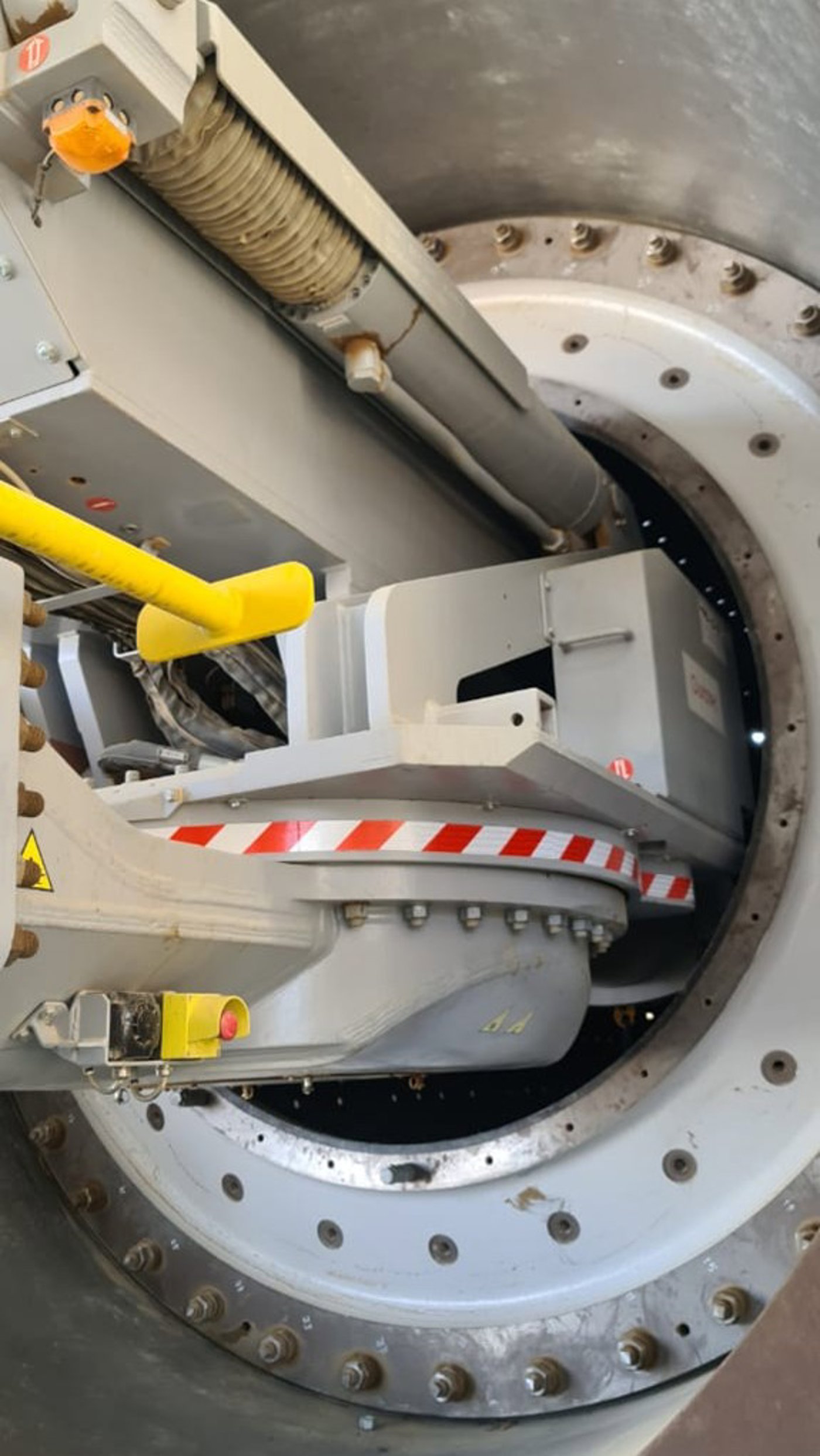
Poor MRM storage location under feed conveyor.
Two-piece trunnion liner for ball mill.
Feed chute mobilization options
Feed chute mobilization options.
  1. Interface management: aligning OEMs and equipment  

Relining efficiency depends on seamless interaction between mills, liners, MRMs, and LRTs. Challenges often arise when plant layout is finalized before selecting suppliers. Early collaboration between EPCM firms, mine owners, and OEMs is critical. 

Key interface checks: 

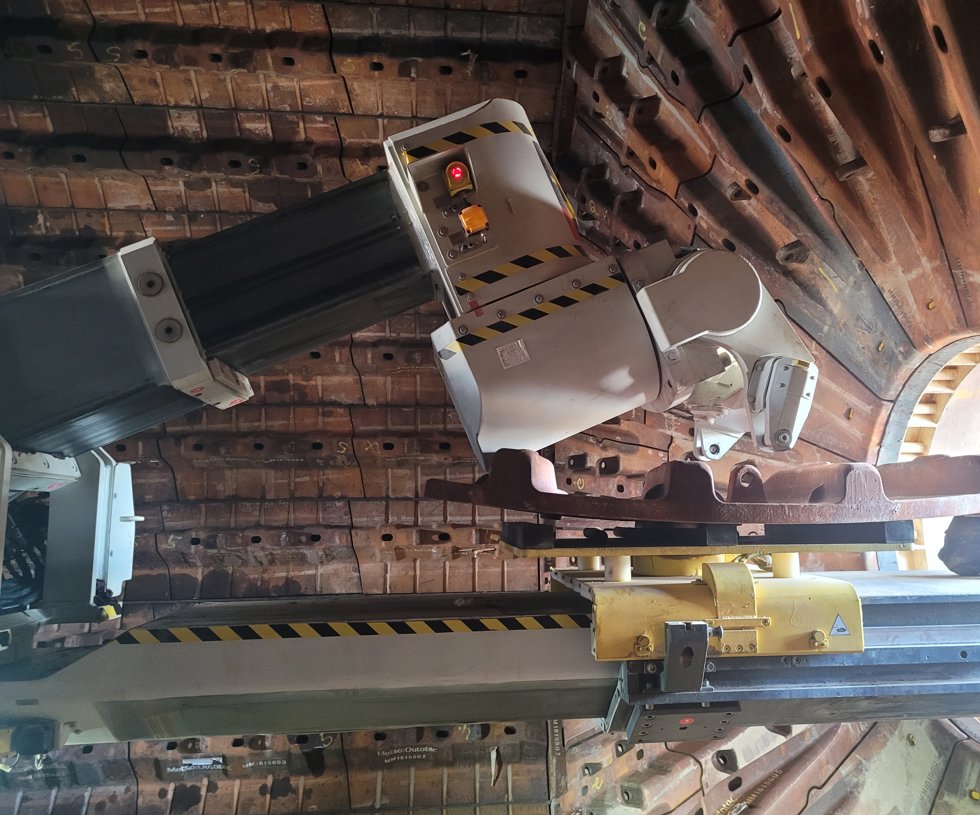
  • MRM reach and clearances: Verify beam extensions, grapple angles, and retractability for all liner positions.

  • Mill/liner capacity: Design mills to accommodate future heavier liners and optimized bolt patterns.

  • Sandwheel vs. trunnion liners: Choose configurations that balance wear protection with reline access.

  • Liner handling: Ensure carts, grapples, and lifting lugs are compatible with liner dimensions and center of gravity. 

Troubles with liner pick-up interface
Troubles with liner pick-up interface.
  1. Digitalization: Turning data into design insights 

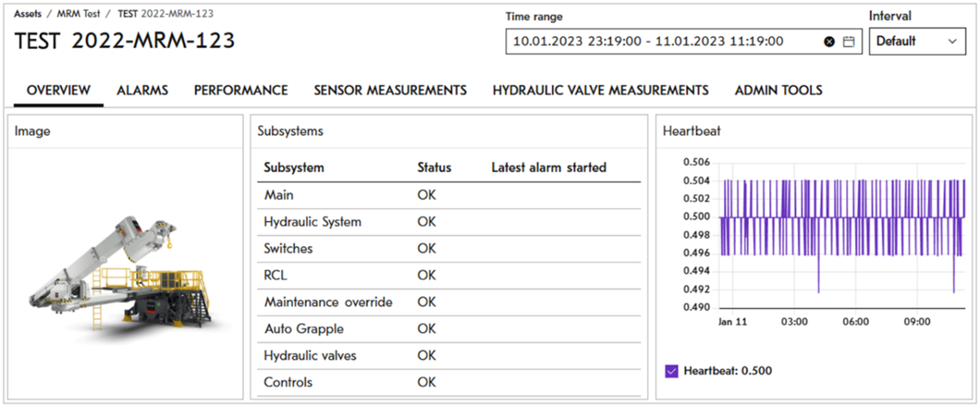
Modern MRMs and LRTs generate rich operational data—hydraulic pressures, load limits, and movement patterns. Platforms like Metso Metrics aggregate this data for remote monitoring and predictive maintenance. 

Benefits include: 

  • Performance reviews: Identify bottlenecks such as idle crane time or excessive bolt peening.

  • Optimization: Evaluate the impact of new liner designs, crew sizes, and tooling configurations.

  • Design feedback: Persistent inefficiencies often point to layout flaws, enabling evidence-based improvements for future plants. 

Metso Metrics
Metso Metrics

Conclusion: Design for the life of the asset 

Reducing mill downtime isn’t just about better tools—it starts with a smarter design. By prioritizing safety, optimizing workflows, managing interfaces, and leveraging data, stakeholders can deliver grinding circuits that are safer, faster, and more adaptable. Early collaboration and whole-of-life thinking unlock long-term value, ensuring mills remain competitive in an era of rising production demands. 

For greater insights into optimizing plant layouts for mill maintenance efficiency, contact Metso for a free copy of the full whitepaper and design checklist. 

Mining
Metso mill reline machines
Metso mill reline machines provide the highest level of safety and ease of operation with reduced downtime for maximum operational efficiency.
Your information is safe. Check our privacy notice for more details.
Thank you!
We will shortly contact you. You can send a new inquiry again after 15 minutes.