Aggregates
Published Nov 16, 2026

A beginner's guide to construction and demolition waste recycling

If you're a contractor, aggregate producer or business owner looking at construction and demolition (C&D) waste recycling for the first time, you've probably got more questions than answers. Is the output good enough to sell? What equipment do you need? Is this worth the investment, or just a trend? This guide is meant to give you a practical starting point: what C&D recycling involves, what the trade-offs are, and what you need to think about before you commit to a setup. While this guide focuses primarily on construction and demolition waste, many of the same processing principles also apply to recycled asphalt and other recyclable construction materials.
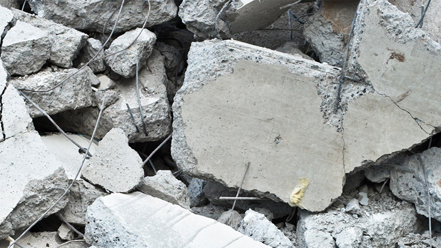
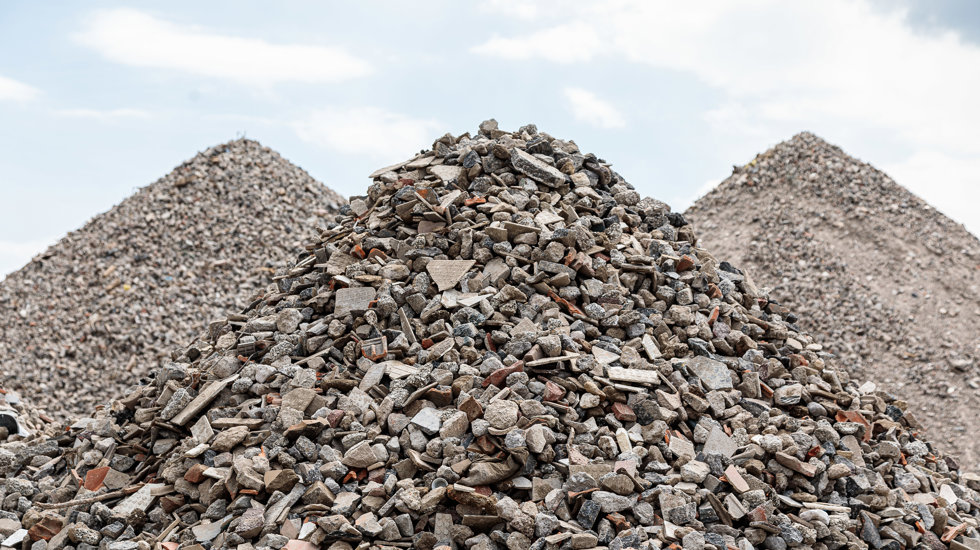
Pile of crushed concrete and brick with recycled aggregate stockpiles behind it.
Crushed concrete and brick piled on site, ready to be processed into recycled aggregate.

What C&D recycling actually is

Construction and demolition recycling - Opens in a new window is the process of recovering valuable resources from materials that would otherwise be sent to a landfill. In practice, that means taking inert material left over from construction, demolition, excavation work and asphalt millings - Opens in a new window and processing it into usable construction aggregates.

The output is a recycled aggregate product that can stand in for virgin (newly quarried) material in a wide range of applications. What goes in is waste; what comes out is a sellable product.

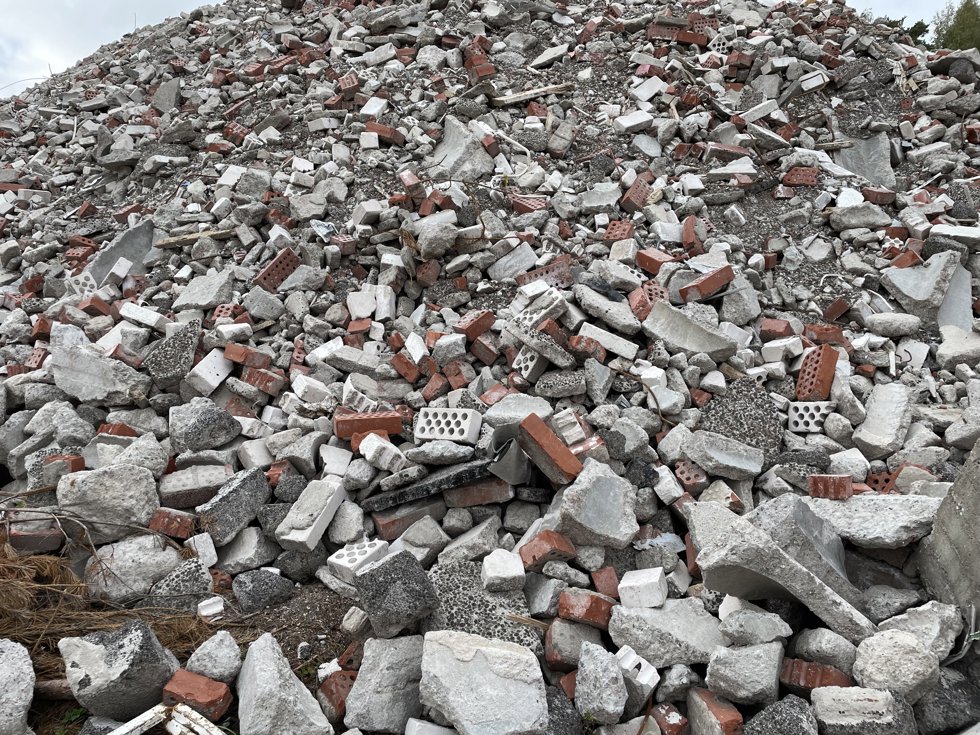
Pile of mixed demolition material including concrete chunks, red bricks and hollow blocks.
Mixed demolition material with bricks, concrete, and blocks, ready to be sorted and crushed.

Why bother

The business case for C&D recycling comes down to a few concrete benefits:

  • Lower costs: Recycled aggregate can offer a lower-cost alternative to virgin aggregate while still meeting the requirements of many applications.
  • New value from existing material: Material that might otherwise go to landfill can become a sellable product, reducing disposal costs and creating new revenue opportunities.
  • Less reliance on virgin resources: Reusing concrete, asphalt and other materials reduces the need for newly quarried aggregate and keeps existing materials in use for longer.
  • Lower environmental impact: Recycling can reduce landfill use, transportation and the carbon footprint associated with quarrying and primary aggregate production.

That said, it's worth going in with realistic expectations. Recycled aggregate is not a direct replacement for virgin aggregate in every application. Product quality depends on factors such as the source material, contamination levels, and processing quality. It also hasn't been approved for use in every application or every region yet. Some specifications still favor virgin material, and that's not going to change overnight. None of that makes recycled aggregate a bad choice. It just means it isn't a drop-in replacement for every job, and understanding where it fits is part of doing this well.


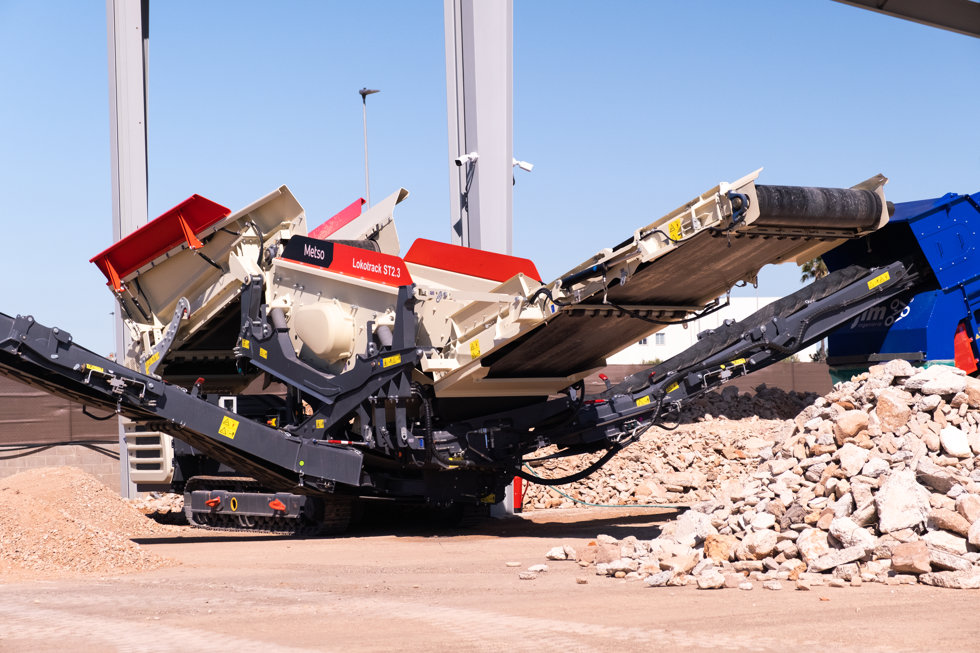
Metso Lokotrack ST2.3 mobile screen with a conveyor with a pile of demolition rubble.
A mobile screen can turn crushed demolition waste into a product you can sell or reuse.

What you're actually dealing with

One thing that surprises a lot of people new to construction and demolition recycling: the waste stream is rarely just concrete. Raw material coming in from excavation and demolition work is often highly variable. A typical load can include excavated material, mortar, metal, glass, asphalt, ceramics, slag - Opens in a new window, plastic, brick, plaster, clay lumps and other materials such as rubber and wood.

Because of that variability, sorting and stockpiling matter from day one. Material needs to be stocked in a separate stockpile area so it can be separated, characterized and handled appropriately before it goes anywhere near a crusher. Getting this step right up front saves a lot of downstream headaches. Contamination in the feed is one of the fastest ways to end up with an inconsistent or unsellable product.

Regulations and permits

Across Europe, regulations increasingly emphasize the separation and recovery of recyclable fractions from construction and demolition waste. Effective sorting is often the foundation for both regulatory compliance and high-quality recycled products.

Construction and demolition waste recycling is often subject to environmental permits and national regulations. Requirements vary by country, but operators are commonly required to demonstrate how recycled materials will be used and stored and to ensure that products meet applicable quality standards before use.

In some regions, permits may require operators to identify intended end uses or destinations for recycled materials before large volumes can be processed or stored.

Stockpiling is an important part of recycling operations, but storage periods and volumes may be regulated. Recycled materials generally cannot be accumulated indefinitely without a defined purpose or market.

The basic process, step by step

Once the material is sorted and checked, processing can range from dry crushing and screening to more advanced separation and washing circuits. Depending on product requirements, additional separation technologies such as air classification can be used to remove light contaminants and improve product quality. In many applications, significant product upgrading can be achieved without water-based processing. 

The process generally breaks down into five stages:

  1. Sorting and pre-treatment: Removing contaminants and separating material streams before crushing is one of the most important factors in achieving a quality end product. Metal, wood, plastics, gypsum and other unwanted materials should be removed as early as possible.
  2. Feeding: Feeders control the rate at which material flows from a bin or hopper into the primary processing equipment. A good feeding system can also remove oversized material before it reaches downstream equipment, protecting the rest of the plant.
  3. Crushing: Crushing equipment accepts large feed lumps and reduces them down to the desired product size. The goal is to achieve the right size and shape at high throughput, lower energy use and less wear.
  4. Screening: Screening sorts the crushed product by size, which is how you determine and control product quality. Screening and sizing equipment supports both wet and dry applications, depending on what the end use requires.
  5. Sampling and quality control: Sampling helps verify product quality and consistency and supports quality-control programs. Regular testing helps ensure products meet customer requirements and applicable specifications.


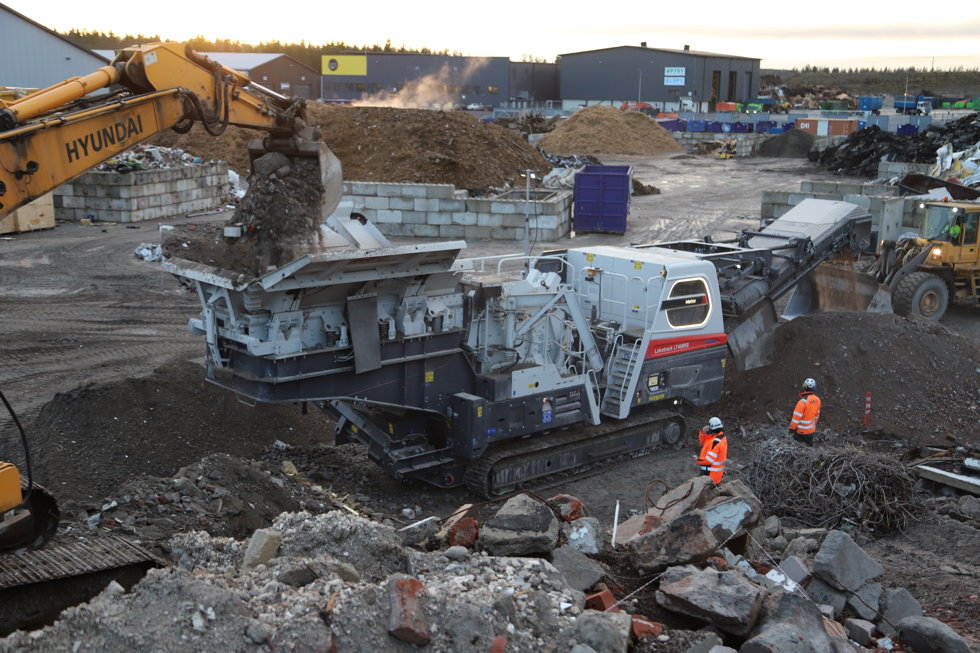
Excavator loading demolition material into a mobile crusher at a recycling yard, with workers nearby.
An excavator feeds demolition material into a mobile crusher. The safest area next to a working mobile crusher is near the IC operation panel, that is used to control the machine unless a mobile app is used directly from the excavator. You should keep a 4-meter distance to feeder and conveyors when the machine is running.

Choosing your setup

There's no single "right" plant configuration. The right setup depends on your material mix, space, and maintenance capacity. A few things worth thinking through before you buy:

What are you processing most? Asphalt and concrete behave differently during crushing. Asphalt is generally well suited to impact crushing, while other configurations may also be suitable depending on the material and production requirements. Concrete can be processed effectively using a variety of crushing technologies. The right setup depends on your feed material, production goals and desired end products.

How much product flexibility do you need? If you need to produce multiple product sizes or grades, a setup with more independent stages (like a jaw, impactor and screen working together) will generally give you more control than a single, compact unit.

How much space do you have? Compact, single-unit plants are among the most portable and easiest to set up in tight spaces. Multi-stage setups need more room, in part because of the conveyors connecting separate units but they often make up for it with flexibility and throughput.

As with any aggregate business, reliable access to feed material is important. Understanding where incoming material will come from, and whether supply will remain consistent over time, is a key part of evaluating a recycling operation.

Matching a plant configuration to your material mix and production goals is genuinely complex, the kind of decision worth getting expert input on before you commit capital.

Where the output goes

Demand for recycled aggregates continues to grow across many infrastructure, road construction, and site-development applications, providing producers with opportunities to turn incoming material into marketable products.

Once processed, recycled aggregate has a wide range of practical applications: backfill, pipe bedding, sub-base, shoulder stone, under paver bricks and driveways, among others. From a pure performance standpoint, properly processed and quality controlled recycled aggregate can provide performance comparable to virgin aggregate in many common constructions uses.
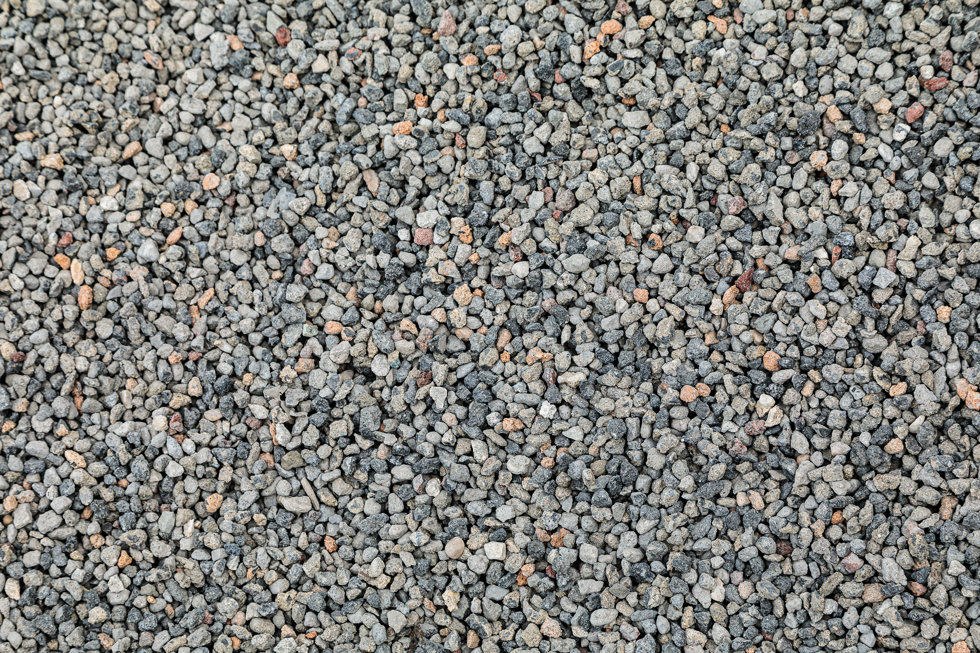
Close-up of crushed and screened recycled aggregate in mixed gray and brown sizes.
Crushed and screened recycled aggregate, made from concrete and brick, ready for reuse.

In many projects, one of the most efficient options is to process material directly on site and reuse it in the same project, for example as sub-base or fill material. This can significantly reduce transportation, material purchases, and overall project costs.

On-site recycling isn't practical everywhere. Tight urban construction sites, limited storage space or approval requirements can make stockpiling and reuse difficult. But where conditions allow, processing material close to where it is generated can reduce transport and material requirements.

If you're weighing whether C&D recycling makes sense for your operation, the honest answer is it depends on your material stream, your market, and your setup. But for many contractors and producers, it's turning out to be less of a niche add-on and more of a standard part of doing business.

Aggregates
Your information is safe. Check our privacy notice for more details.
Thank you!
We will shortly contact you. You can send a new inquiry again after 15 minutes.