Asphalt recycling and RAP processing
Turn reclaimed asphalt into material for new roads
Why recycle asphalt?

Reuse aggregate and bitumen

Keep asphalt in use

Meet your size targets

Reduce material transport
What is reclaimed asphalt pavement?
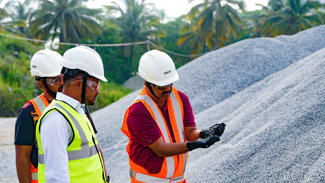
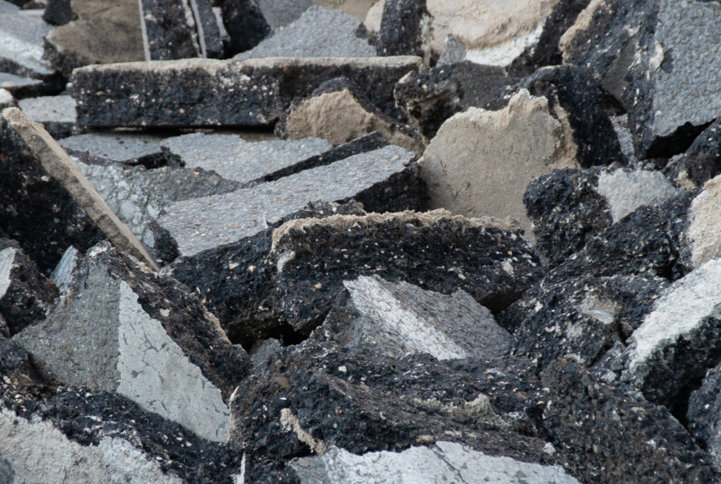
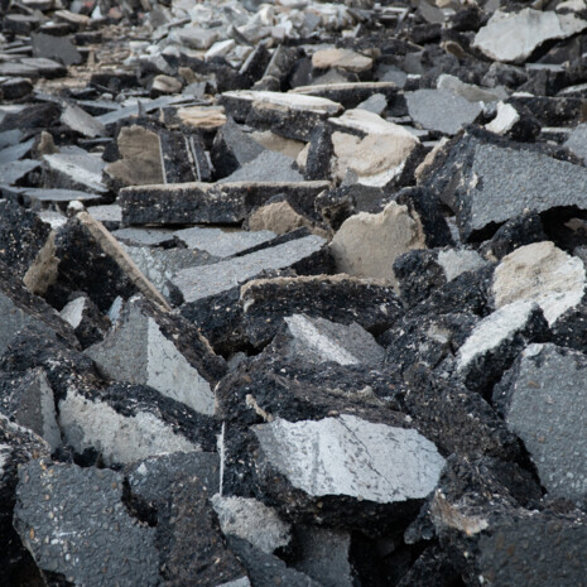
Reclaimed asphalt pavement, commonly called RAP, is asphalt removed from roads, parking areas and other paved surfaces. It can come from road milling or broken asphalt slabs. Because RAP contains both aggregate and aged bitumen, it can be valuable feed for your next asphalt mix. Processing it into controlled fractions helps you reuse the material instead of sending it to disposal. The final use depends on RAP quality, your asphalt plant and local requirements.
Warm or wet asphalt can stick to equipment and slow your process. Large slabs may bridge in the feeder, while uneven feed can reduce screening efficiency. If you crush the material too much, you may create unwanted fines and damage valuable aggregate. A controlled process helps you reduce oversize, separate the required fractions and avoid unnecessary crushing. Easy cleaning access and suitable screening media help you keep material moving.
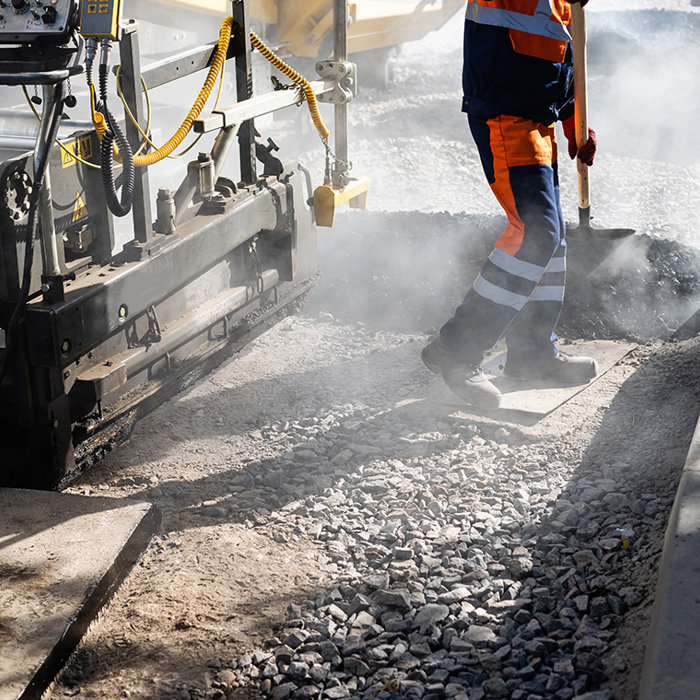
You can use processed RAP as feed material in asphalt production. Depending on local requirements and your plant capabilities, it can replace part of the virgin aggregate and bitumen in a new mix. RAP may also be used in road base, sub-base and other approved road applications.
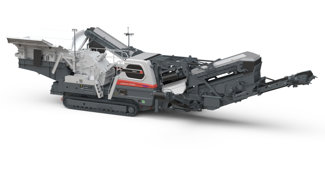
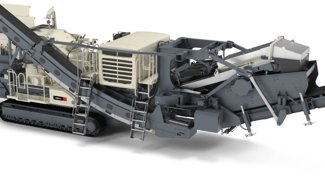
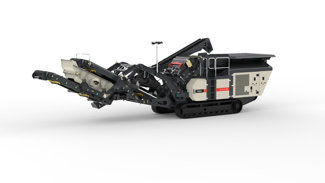
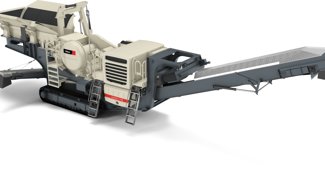
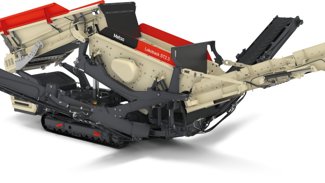
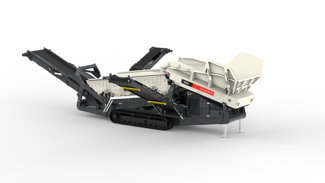
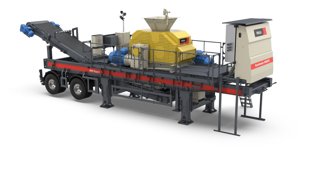
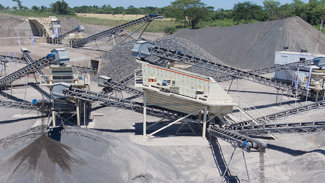
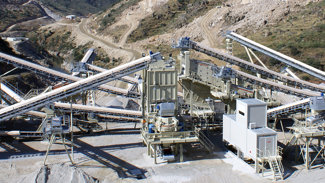
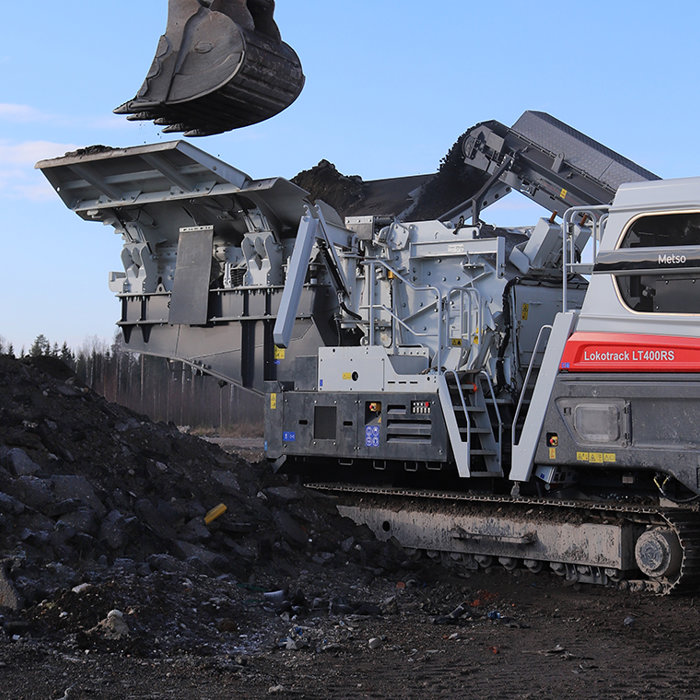
If your work moves between sites, mobile crushers and screens let you process asphalt close to where it is removed. If you have steady feed and higher production targets at one location, a portable or stationary setup may be a better fit. Choose your setup based on material volumes, available space, mobility needs and the RAP fractions you need to produce.
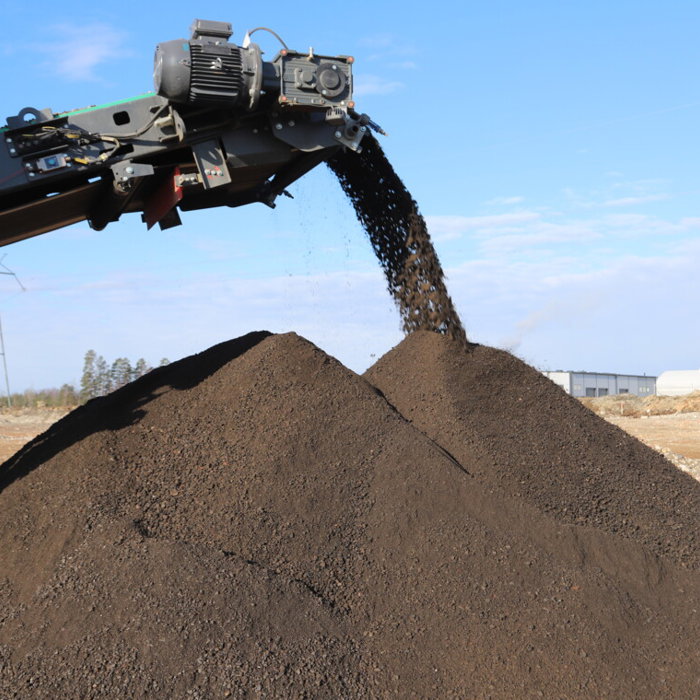
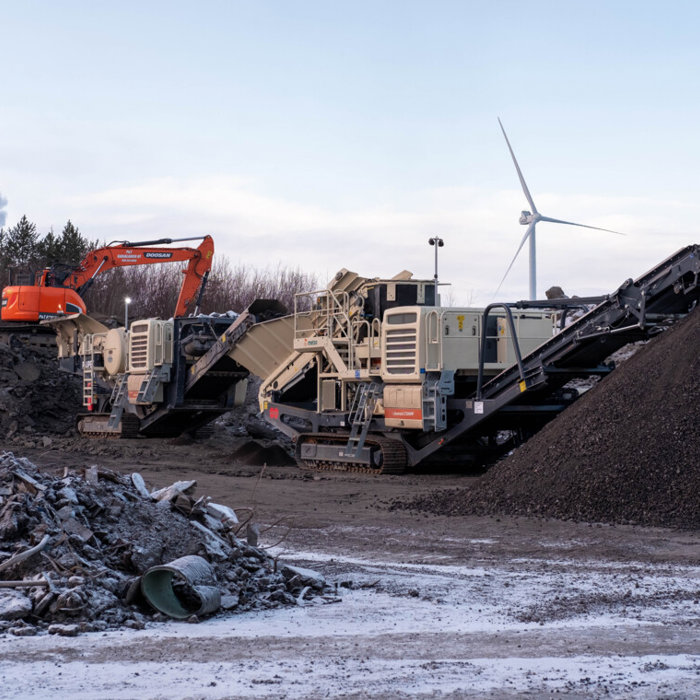
An impact crusher can provide high reduction in a single crushing stage. For large asphalt slabs, a jaw crusher can also be used for primary crushing. In a two-stage process, the jaw crusher can feed a cone crusher for further size reduction and a controlled final product. Screens separate RAP into the required fractions, helping produce a consistent feed material for asphalt production. The right setup depends on feed size, capacity, target gradation and final use.
Frequently asked questions
RAP means reclaimed asphalt pavement. It is asphalt removed from existing roads, parking areas and other paved surfaces by milling or demolition. RAP contains both aggregate and aged bitumen that can be reused in asphalt production.
Impact crushers are well suited to reducing asphalt in a single crushing stage. Jaw crushers can also be used for primary crushing of large asphalt pieces. In a two-stage process, a jaw crusher can be combined with a cone crusher for further size reduction and a controlled final product.
Metso offers impact, jaw and cone crushing solutions in different mobile, portable and stationary configurations. The right setup depends on feed size, required capacity, target RAP fractions and final use.
Match the crushing and screening process to the feed size and required RAP fractions. Controlled feeding, suitable crusher settings and careful recirculation help avoid unnecessary crushing. This is important because aggressive size reduction can fracture aggregate and increase unwanted fines.
Asphalt recycling places different demands on crusher wear parts than hard-rock crushing. Manganese steel needs repeated hard impacts to work-harden, so softer asphalt feed can lead to faster wear.
For impact crushers processing asphalt, Metso offers application-specific wear parts such as Metso MMC Chromium blow bars for Nordberg® NP Series™ impact crushers and chromium blow bars with optional ceramic inserts for Nordtrack™ impact crushers. Matching the wear parts to the feed and operating conditions helps maintain consistent crusher performance and wear life .
The right equipment depends on the feed material, required capacity, RAP fractions, end use and site conditions. Metso can support equipment and process selection with free-of-charge feed material testing in our rock laboratory and Bruno process simulation. These services can help evaluate the material and compare different crushing and screening setups to find a suitable solution.