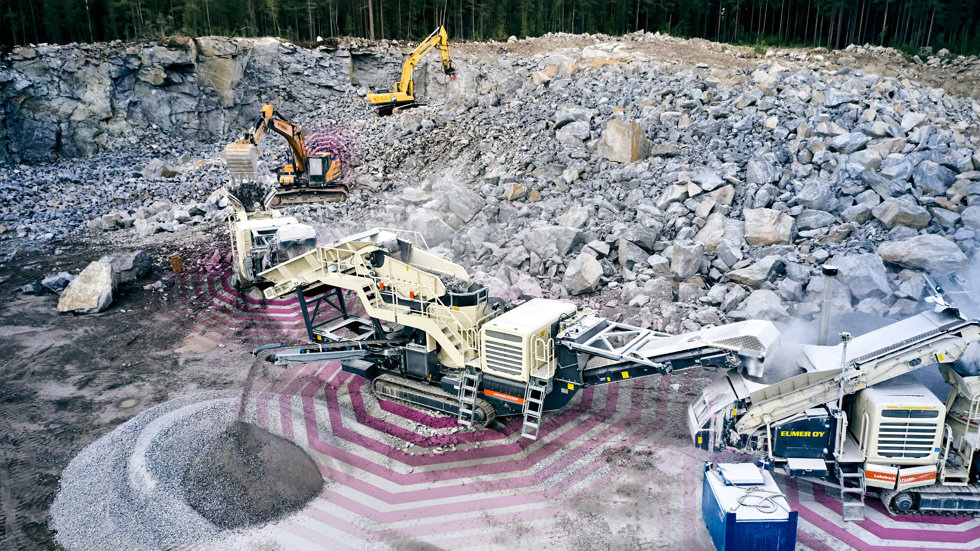
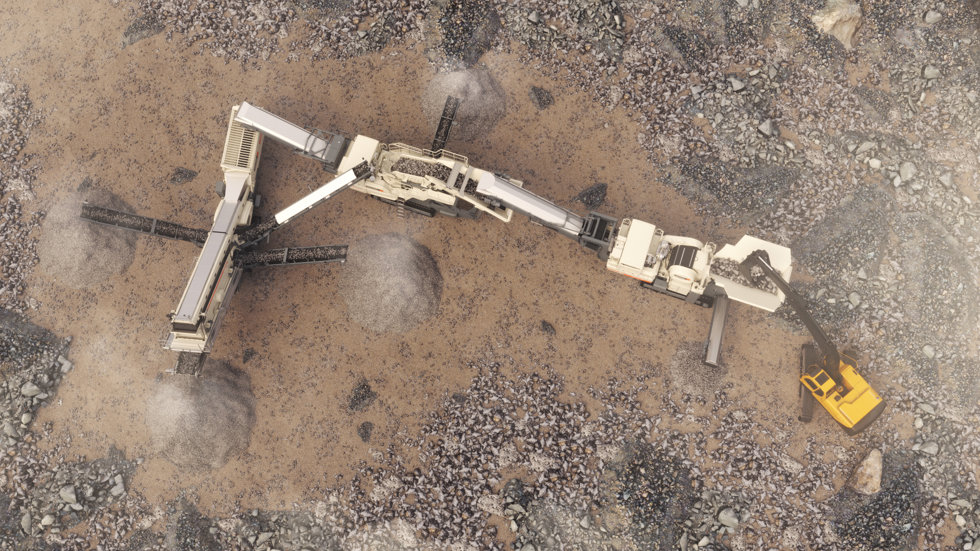
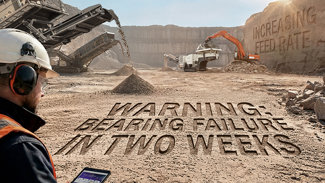
Powered by real-time data, AI and automated recommendations has become one of the most impactful digital capabilities in aggregates. Not only can it predict when maintenance will be required, it also connects with the wider inventory network. It is digitalization that brings these two worlds together.
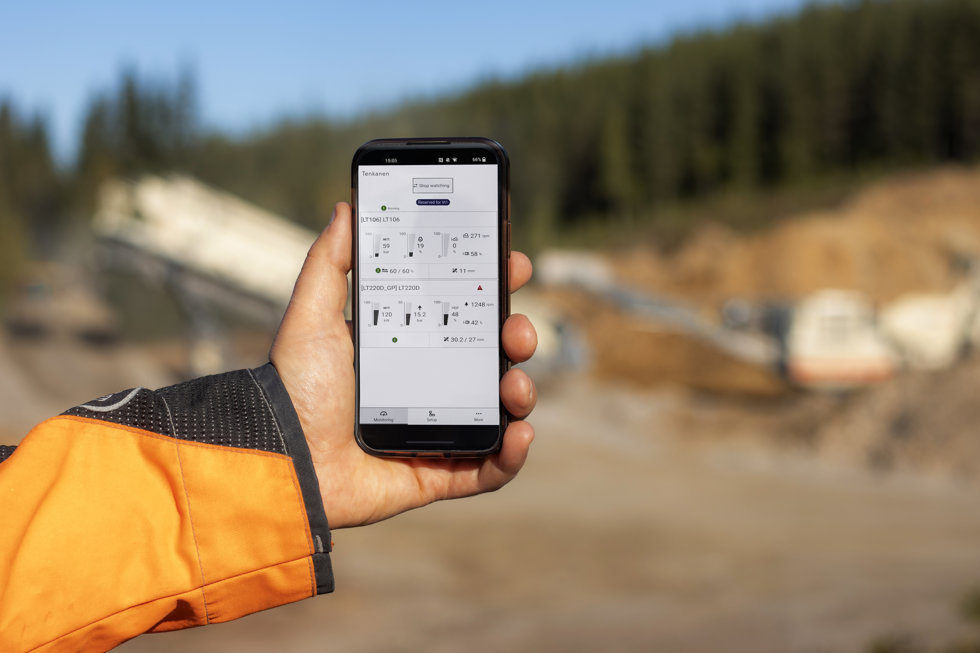
”This is the area of biggest opportunity with digital technologies — understanding what’s going on with the equipment real-time, and convert this understanding into actions at the site,” says Jaakko. ”What are the maintenance activities that are needed today and tomorrow to ensure reliable operations next week, next month, and so on.”
By providing early warnings and data-backed insights, predictive maintenance directly strengthens reliability, reduces the risk of major breakdowns and enables more accurate maintenance planning. At the same time, it improves the logistics of spare and wear parts by ensuring that the right components are available when needed, rather than relying on overstocking or reactive ordering.
When condition-based insights are paired with smarter inventory planning, operators gain a clearer view of what actions to take and when. The result? Higher uptime, fewer disruptions and a shift from reactive to proactive — turning real data into decisions that keep production running smoothly.
Bridging the skills shortage with smart solutions
“We need to deliver better experiences on running assets and scaling that tacit operations knowledge on-site.”
One of the biggest pressures the industry now faces is a shrinking skilled workforce, and what to do about that capability gap moving forward. Operations need to run reliably and efficiently, despite having fewer experts on site.
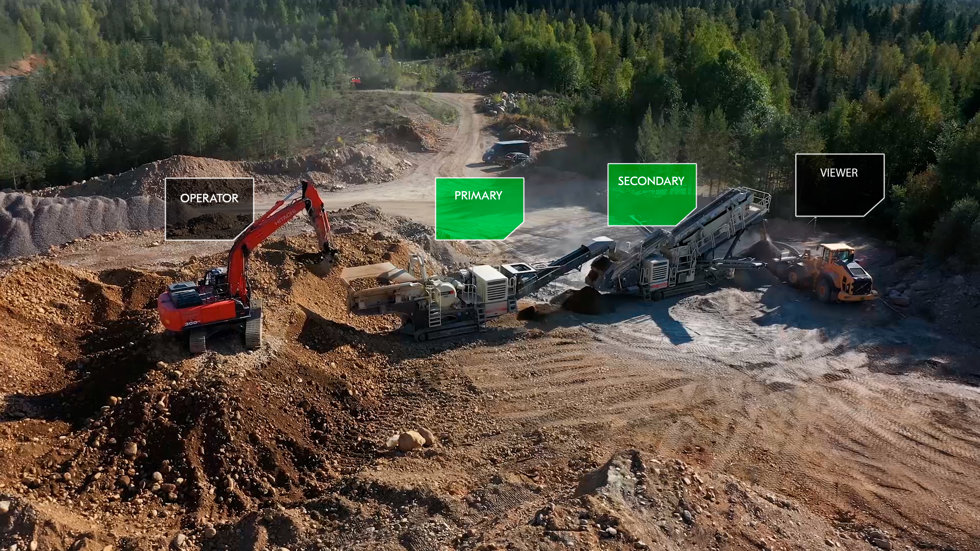
“Though it is difficult to see a world where there’s no people working at the site, there’s a huge opportunity to become more efficient through teleoperations,” says Jaakko. “This is where different OEMs need to collaborate from an ecosystem point of view going forward and create seamless products for the customers.”
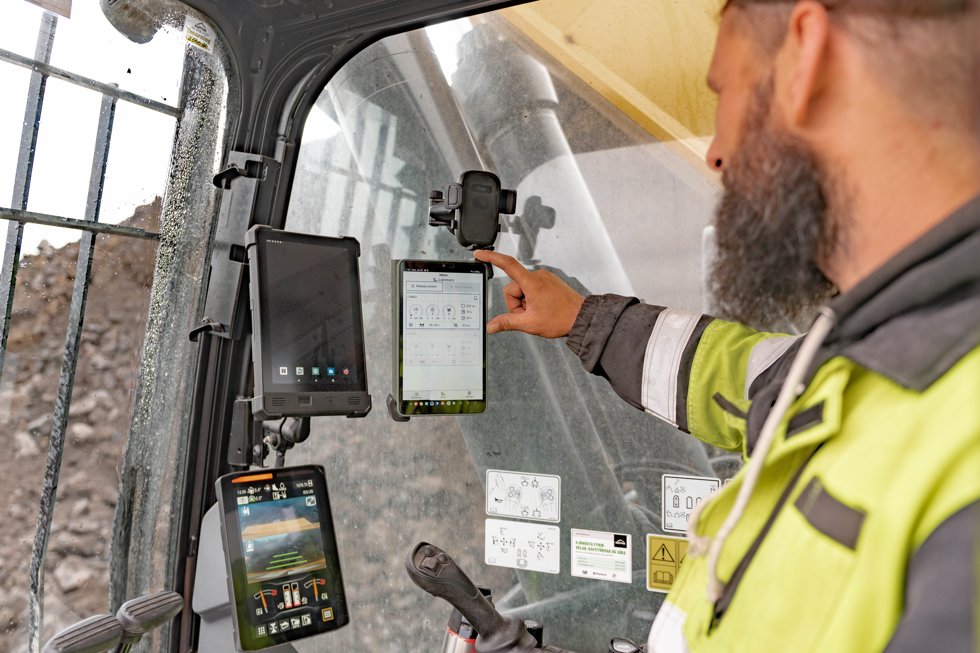
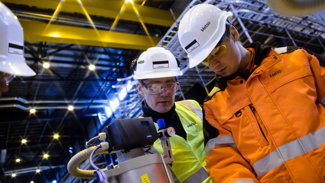
To bridge this capability gap, digital solutions play a key role. This includes spreading expert knowledge across multiple sites, guiding operators through maintenance and operational tasks, enabling teleoperations that reduce the need for constant physical presence, and offering more intuitive user experiences that shorten training time. Working together, these tools can help teams operate with greater confidence and consistency, even as skilled labor becomes increasingly scarce.
When digitalization and sustainability intersect