Jun 8, 2026

Creating a workplace where everyone is able to be themselves

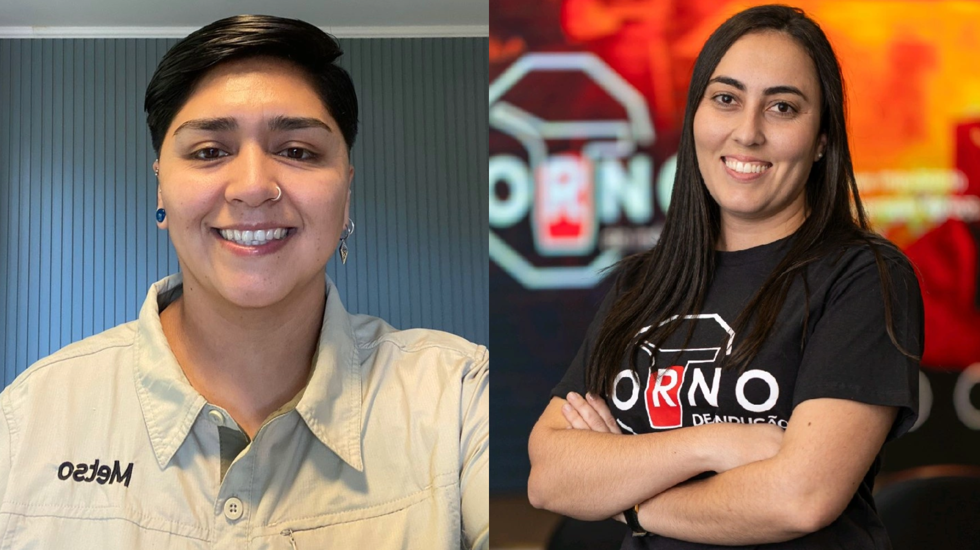
In June, we celebrate Pride and inclusion at Metso. We believe diversity drives innovation, strengthens our teams, and fuels progress. This year, two amazing Metsonites discuss what Pride and inclusion at work means to them. Meet Daniela Montecinos, Lead, Logistics in Market area South America, and Daiara Alves, Assistant Manager, Production, Brazil.
Daniela Montecinos and Daiara Alves

What does Pride mean to you?

Daiara: It’s about authenticity, respect, and the freedom to be who you are without fear. Pride represents the importance of creating spaces where people don’t feel the need to hide parts of themselves to belong. In my journey, especially working in a highly technical and traditionally male-dominated environment, I’ve learned how powerful it is when people feel respected as individuals. It builds confidence, engagement, and allows everyone to contribute in a meaningful way.

Daniela: Pride means visibility, remembrance, and continuing to create safe spaces for people in the LGBTQIA+ community. Unfortunately, it is a movement that has had to rise with great strength because of years of discrimination, exclusion, and prejudice — often beginning even within families or close environments.

Most of us who are part of the community know from a very young age who we are and what we feel, but growing up in a society where so many prejudices have historically existed can make the process of self-acceptance and self-expression much more difficult. That is why, to me, Pride also means awareness, respect, and the possibility of living authentically.

What actions, big or small, have made you feel supported?

Daiara: What has made me feel supported are often small, consistent actions, like being treated with respect, having my voice heard, and being recognized for my work and contributions. In environments where differences are acknowledged positively, people naturally feel more confident to contribute.

Daniela: In my case, the support of my family has been fundamental. Feeling loved, validated, and respected allowed me to move through different spaces, including the workplace, with greater confidence and security. I also understand that not everyone has the same experience, which is why it is important to create environments where nobody feels they need to hide who they are to be accepted.

I believe it’s the small actions that make the biggest difference: feeling heard, not being judged for the way you dress, express yourself, or love, being able to speak naturally about your personal life, or simply feeling treated like anyone else. Very often, support is not found in grand speeches, but in everyday empathy and in creating spaces where differences are not seen as something negative.

Daiara Alves
Pride represents the importance of creating spaces where people don’t feel the need to hide parts of themselves to belong.
- Daiara

What advice would you share with people who want to be better allies?

Daiara: Listen with genuine interest, avoid assumptions, and be open to learning. Inclusion is built through everyday attitudes; how we communicate, respect others, and create space for different perspectives.

Daniela: Listen more, question learned prejudices and understand that inclusion should not exist only during campaigns or commemorative dates, but as part of everyday culture and the way we relate to one another.

What does being yourself at work look like for you in practice?

Daiara: It means being able to speak openly, share ideas, and contribute without overthinking how I will be perceived. It’s about focusing my energy on results, collaboration, and leadership, rather than trying to fit into expectations.

As a female leader on the melt shop area, this becomes even more meaningful. Feeling comfortable being myself allows me to lead with authenticity, build trust with my team, and create an environment where others feel encouraged to do the same. It’s something I’m truly proud of.

Daniela: Feeling comfortable being yourself at work means being able to express yourself freely without fear of being judged, limited, or treated differently. A feeling that what truly matters are your capabilities, your work, and who you are as a person.

Something that genuinely helps create that type of environment is when there are real, respectful, and open conversations about diversity and inclusion. When people can talk about these topics naturally and empathetically, it creates safe spaces for everyone. For me, feeling comfortable in the workplace is essential. When a person can be authentic, express themselves freely, and feel respected, they are able to grow both professionally and personally.

Daniela Montecinos
When a person can be authentic, express themselves freely, and feel respected, they are able to grow both professionally and personally.
- Daniela

Can you share a moment when you felt included – or what helps create that environment?

Daiara: For me, feeling included comes from everyday interactions rather than a single moment. I feel it when I can express my ideas openly, participate in discussions, and know that my perspective is genuinely considered. An inclusive environment is one where there is mutual respect, open communication, and where people feel safe to be themselves without fear of judgment. When this happens consistently, it creates a sense of belonging and confidence that makes a real difference in how I engage and contribute at work.

Daniela: One specific action that made me feel especially included, was a past Christmas celebration at work, where the invitation was addressed to the whole family, and I remember that my manager at that time approached me and said: “Dani, you are invited with your family, and I want you to know that you are welcome with the person you share your life with.” It was a very meaningful gesture because it made me feel considered, validated, and fully included, without needing to hide who I am or who I love. I believe these kinds of actions, even when simple, create a very deep impact.

At other times, inclusion has not necessarily been an explicit topic of conversation, but rather something natural: feeling treated with respect, equality, and closeness, just like anyone else on the team. And I think that also says a lot about the kind of spaces that are built within an organization.