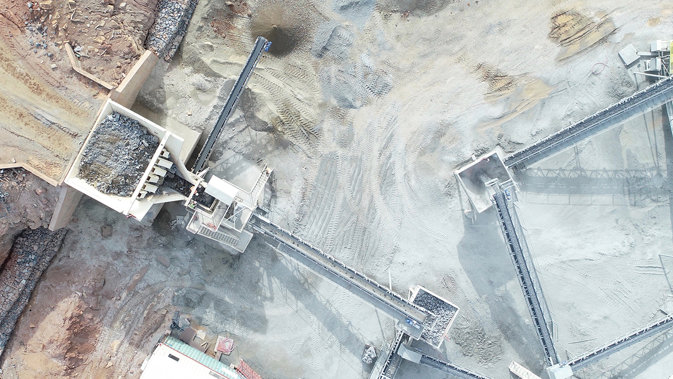
The project also creates more valuable use for materials from WW Britagem’s aggregates operations. Instead of disposal, materials can be processed into products for agriculture, reducing waste and avoiding disposal costs. In this way, the project puts circularity into practice by connecting material flows from aggregates production with Brazil’s agricultural value chain. The investment has also generated direct and indirect jobs in the Ituiutaba region and supported the development of new technical skills among local professionals.
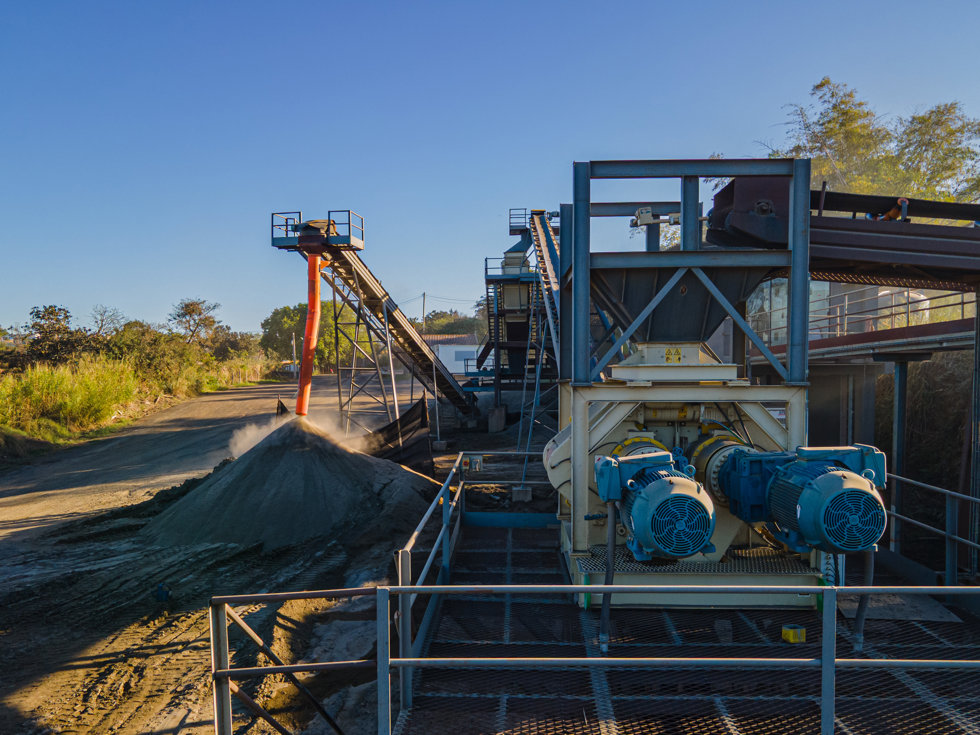
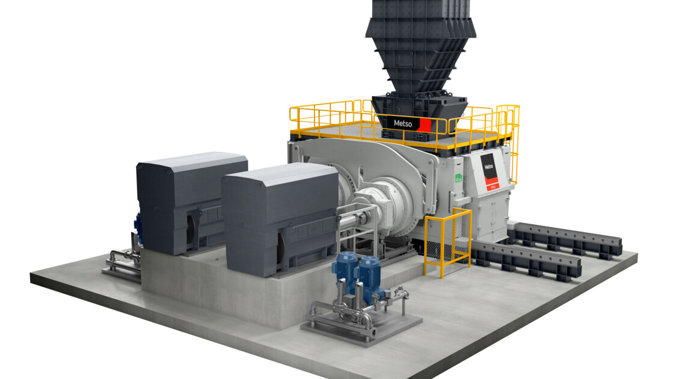
"This is a practical example of circularity. We are repurposing the use of aggregates and construction waste to produce agricultural inputs. The combination of High Pressure Grinding Rolls (HPGR) technology with Ty Hummer high-frequency screens makes this possible in a compact circuit designed for efficient operations, utilizing fewer resources for less environmental impact,” says Alfredo Reggio, Remineralization Specialist at Metso.
From an agronomic perspective, WW Britagem’s basalt-based remineralizer helps correct soil acidity, supplies potassium above the minimum commercialization threshold required by the Brazilian Ministry of Agriculture and provides silicon, which can support plant resistance to water deficits, pests, and pathogens. The customer is also developing derivative products, such as Agrosilicon, as well as bulk and bagged packaging alternatives for different market segments.
With the plant in operation, WW Britagem is attracting interest from farmers and building future supply and batch reservation agreements. The growing soil remineralizer market is also supported by government-backed green financing and agricultural credit available to producers in Brazil, creating further opportunities for the use of these products.
While the company continues particle-size testing aligned with the Brazilian Greenhouse Gas Emissions Trading System (SBCE), this could create potential access to carbon credit opportunities through biological CO₂ sequestration in recovered soils.