Operational and labor benefits
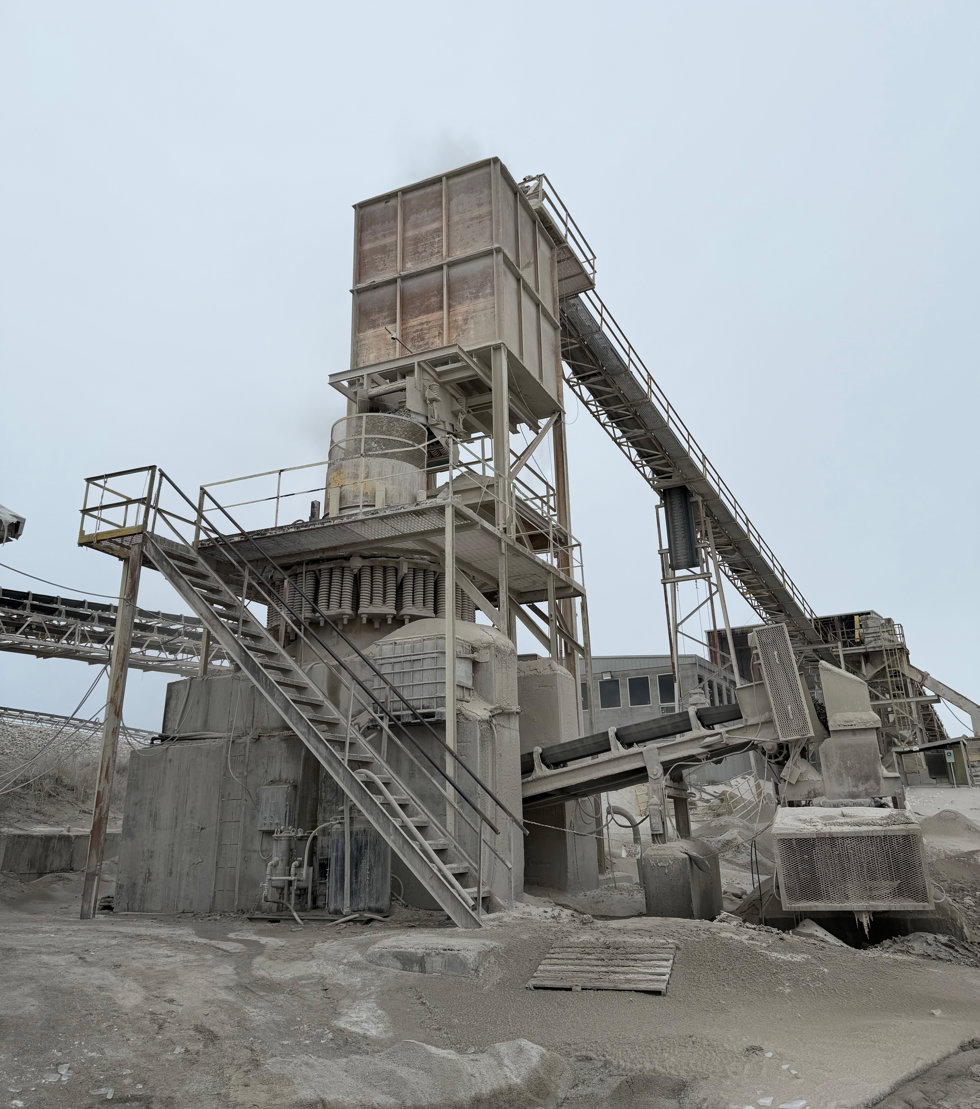
Beyond winter reliability and improved flow consistency, HydroLoop significantly reduced repetitive tasks. Ross’s team no longer spends time draining lines, diagnosing pumps or troubleshooting frozen connections. The system’s closed-loop design also frees the operation from relying on a single pond pump, meaning crushing can continue even if the external water supply goes down.
While Lexington Quarry doesn’t rely on municipal water, Ross noted that for sites that do, HydroLoop’s sealed design could significantly reduce costs and increase water efficiency. He also pointed out that while water scarcity isn’t a local concern, the system would be a tremendous help in areas where water is tightly regulated or scarce.
Promoting sustainable water use
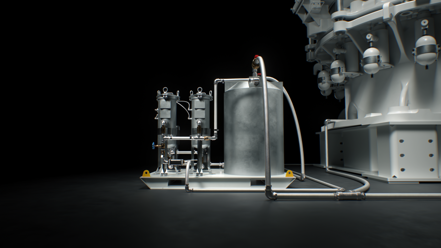
Although water is not a scarce resource in this area of Kentucky, the HydroLoop upgrade has demonstrated just how powerful closed-loop water management can be for operations around the world. The system captures, filters and recycles more than 99% of the water needed for the Symons sealing system, which is a dramatic reduction compared to the traditional open-loop design that continuously draws and discards water. For regions where water is expensive, tightly regulated or difficult to source, this technology can provide immediate relief by cutting consumption, reducing permitting challenges and lowering both environmental impact and operating costs.
Today, many sites must meet increasingly strict sustainability targets, and HydroLoop offers a practical, plug-and-play way to do so without modifying the crusher itself. Even though Lexington Quarry doesn’t currently face water scarcity, Ross noted that the system still delivered meaningful value by stabilizing sealing flow, reducing labor and freeing the operation from its dependence on an external pond pump. Together, these benefits make HydroLoop not only an operational upgrade, but a forward-looking step toward more responsible resource use across the entire Symons installed base.