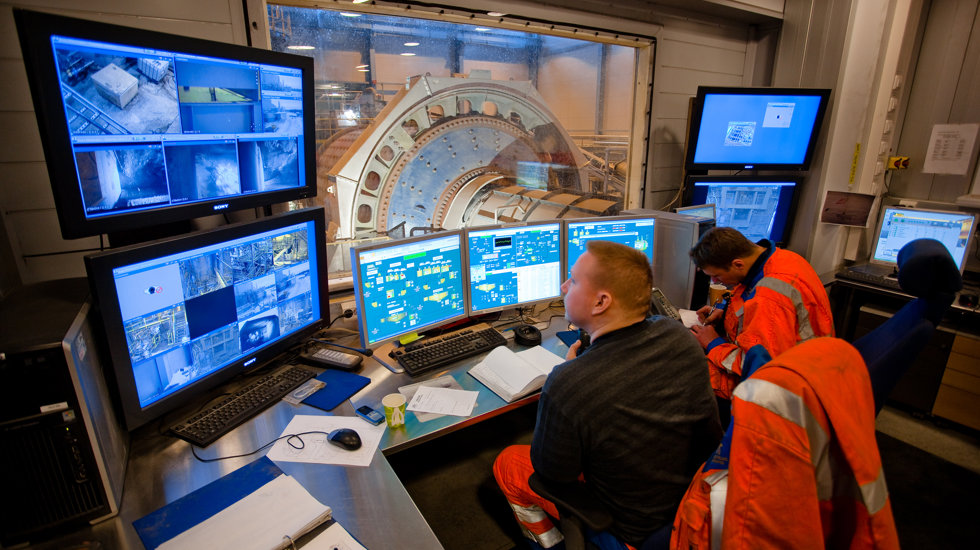
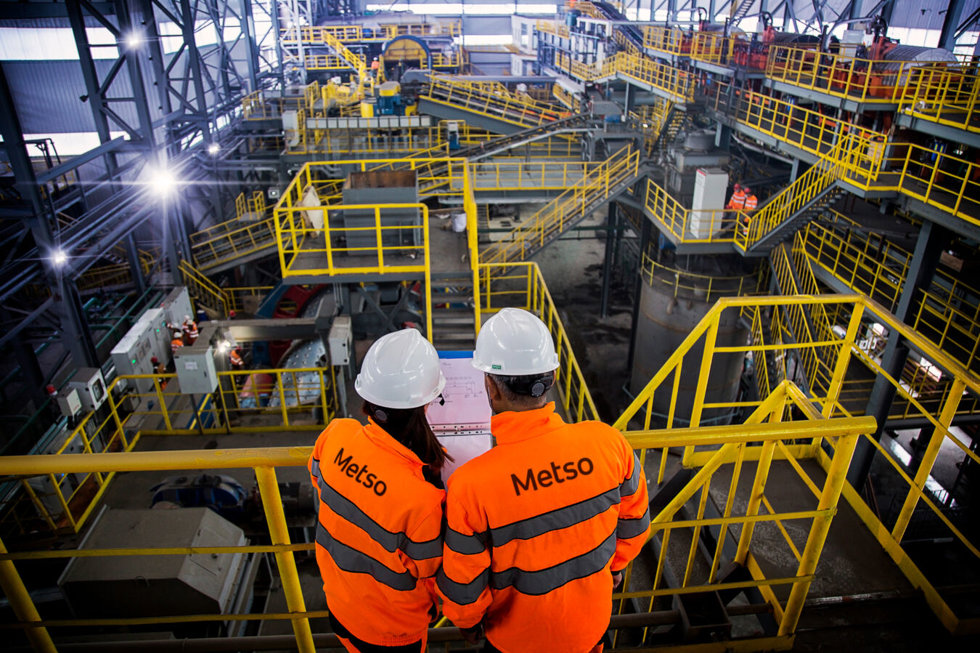
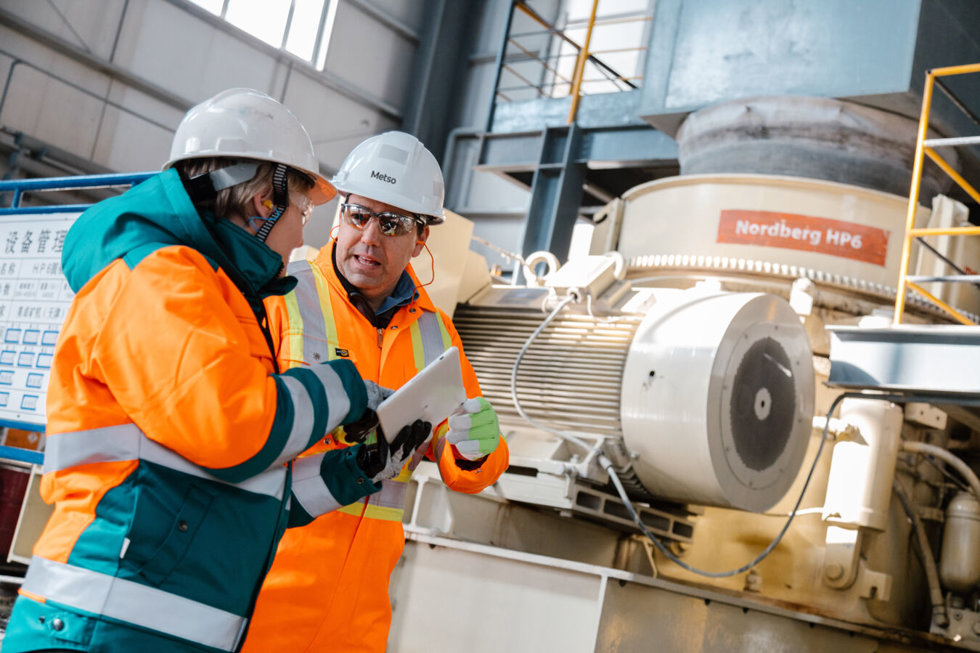
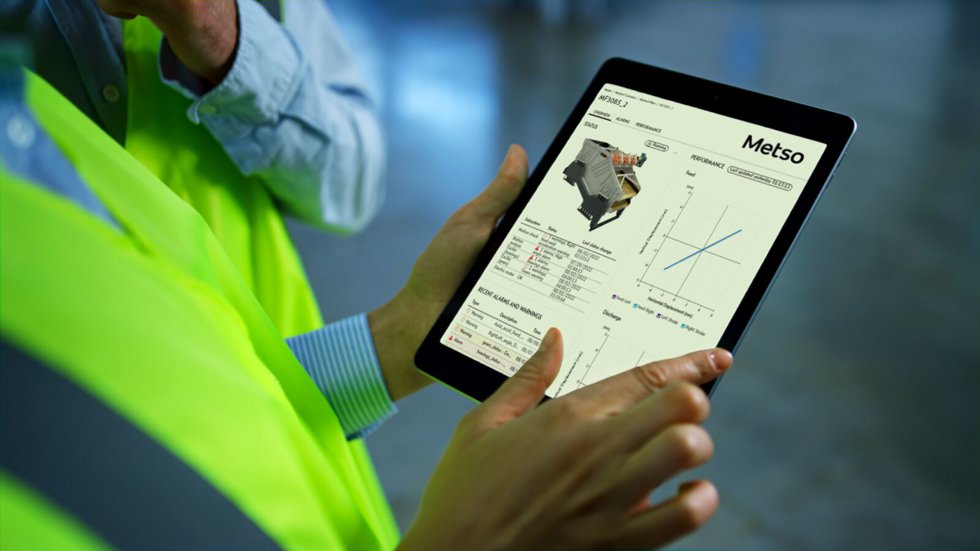
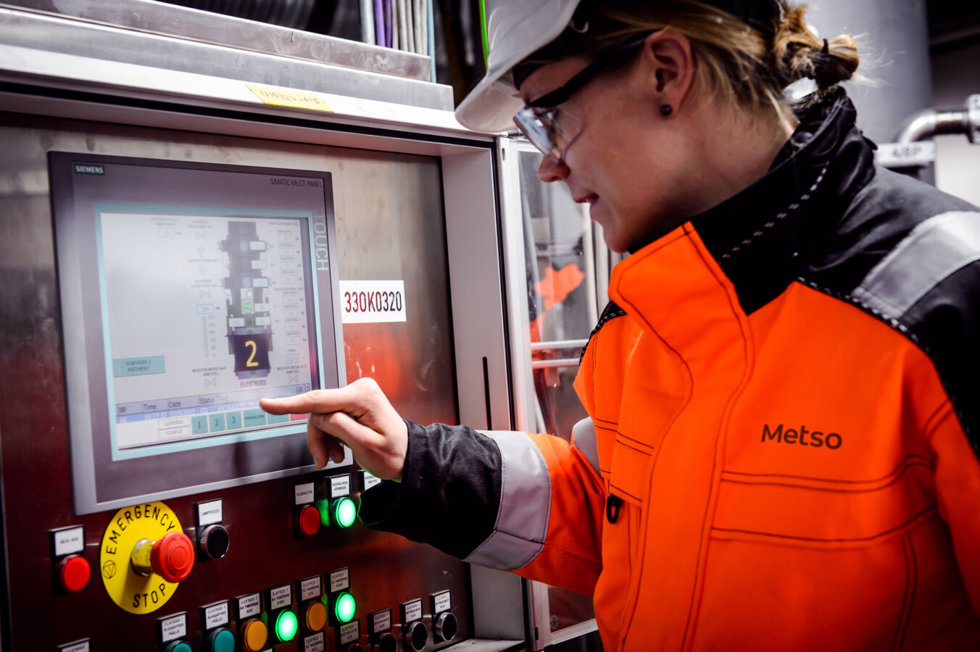
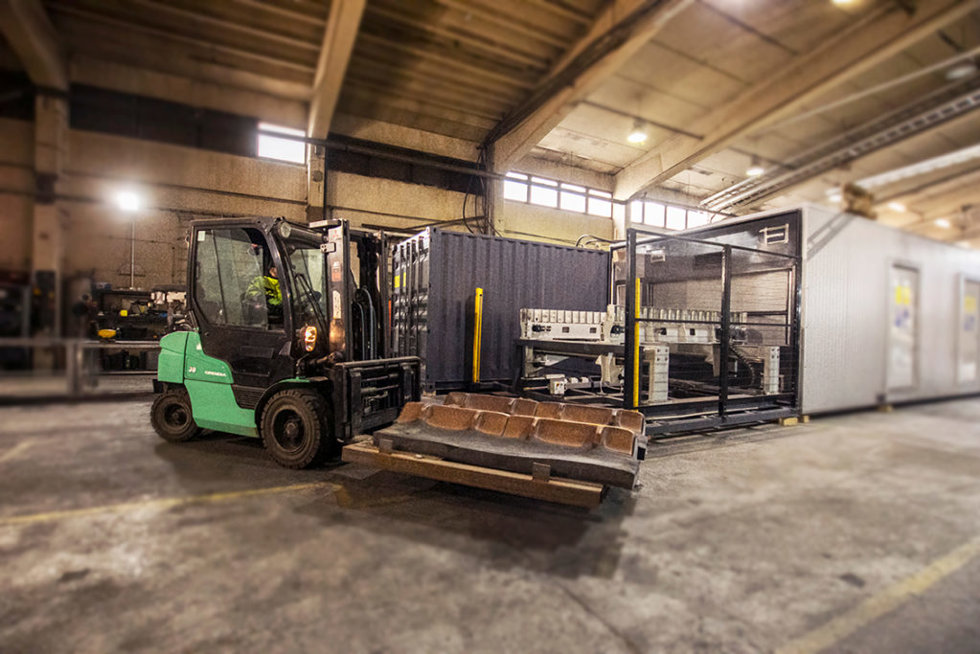
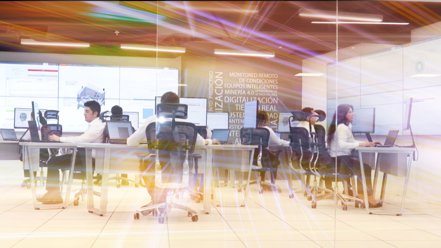
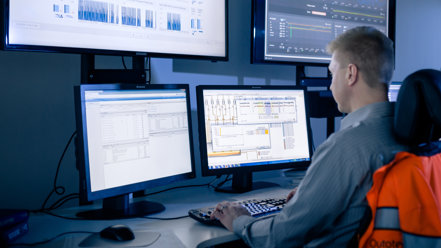
Another focus area is digital solutions that allow site personnel to more effectively take action. A few examples are digital or remote training on major assets such as mill relining machines, remote wear monitoring of liners with tools such as WearSense - Opens in a new window™ or even digital inspection apps used by field service personnel which are now available for mills and other plant equipment. To find the digital edge, a comprehensive roadmap based on a thorough site audit can help identify long-term goals and major digital projects as well as short-term wins with simpler and easy to install tools and solutions.
The power of partnership
With so much at stake, finding the right partner is a high priority for producers. The key to finding a long-term partner who can help reduce risks as well hit your objectives, involves taking a step back and really asking ─ What are the criteria to evaluate for a potential long-term partner?
- Trust and having a culture of innovation are important.
- Are their products and parts reliable and long-lasting?
- As your site and its personnel evolve, will your partner be able to keep pace and continue to offer novel solutions in terms of equipment, parts or services?
- Do they have local support as well as access to a global team for extra advice and expertise?
- Does the partner have a Training Academy or learning facility that can help bridge the knowledge gap to ensure that new plant operators and maintenance staff can work both safely and efficiently?
- Is the partner a responsible one?
- Are they able to provide ideas and offerings to help reach demanding sustainability aims as well as acting as a sustainable partner when it comes to their own operations and sourcing practices?
By looking at these criteria (among others), a site can begin to evaluate their partners and plan for a positive future state.
Profitability vs. sustainability?
The theme of sustainability is one of the most discussed in modern mining. The reality is that the world needs minerals as it makes the push towards electrification and a more sustainable state. Markets are demanding changes, governments are requiring them but most of all, the future of our planet depends on it. There is a tendency within the industry to imagine that sustainability and profitability are at odds, working against each other. But in fact, these twin aims are often intertwined and not at all contradictory. For example, as a plant becomes more efficient, there are often both sustainability as well as cost benefits. Longer-lasting parts for example can lead to less component changeouts and transportation. The reduction of one reline event can result in significant costs saving due to less downtime and fewer parts needed, as well as less wastage and worn components sent to landfills.
Recycling or rotable refurbishment programs can help to reduce waste and reuse materials, further driving costs down. Process optimization experts can audit equipment circuits and provide tools and recommendations to make better use of energy, water and chemicals, lessening the impact on the environment while helping to contain costs. Finally, older and less efficient equipment may not only require more energy, but also consume more parts or limit production. By investing in selective upgrades or modernizations, a plant can realize both throughput or performance gains as well as reducing energy or other resource needs. When upgrades are not an option, replacing a piece of equipment for example with a Planet Positive new equipment solution can also bring production gains while reducing environmental impact.
Finally, the number of parts needed in a mining operation is massive ─ making it worth considering whether or not your parts have been produced in a sustainable way, and if your supplier offers takeback programs and recycling of worn parts.