When one stop slows everything down
In railcar unloading, this dynamic becomes particularly clear. At first glance, the process may appear straightforward and predictable. A train arrives, material is unloaded and the flow continues downstream. In reality, however, it is a sequence of interconnected steps that must function seamlessly together. From how the train is positioned and secured, to the unloading itself and the onward transport of the material, each part affects the next. When synchronization breaks down at one stage, the impact quickly spreads through the system and can build up, accumulating across the entire process.
How an integrated system keeps the flow on track
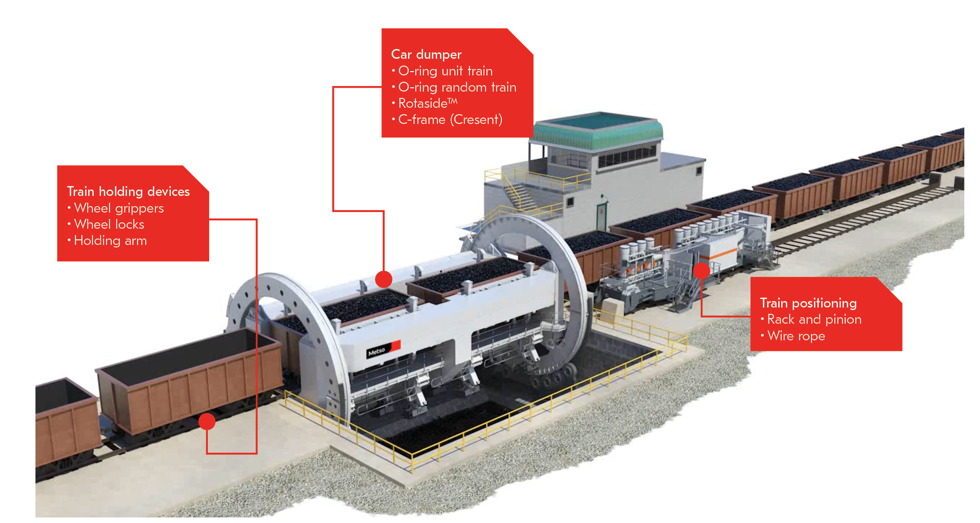
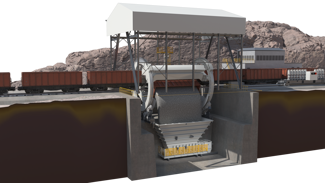
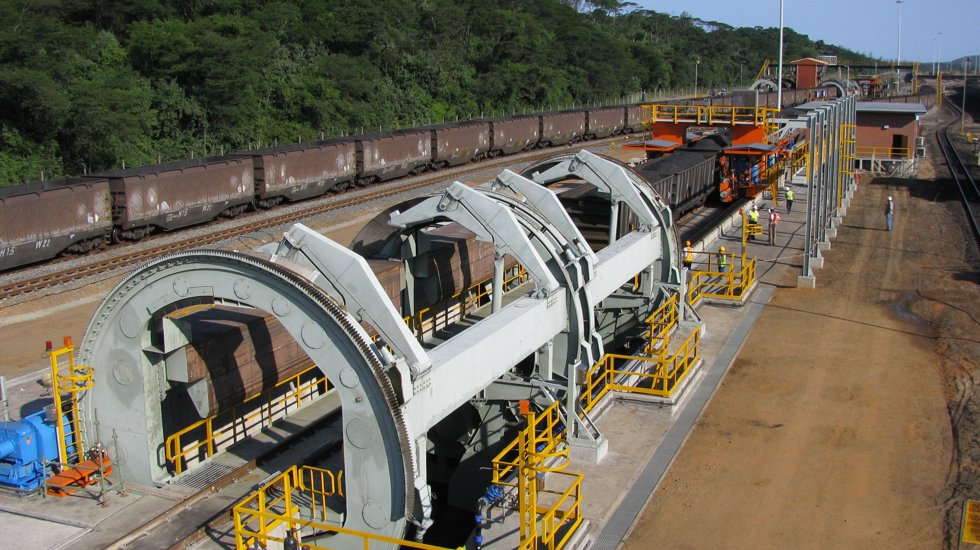
To manage this complexity, railcar unloading systems must be designed as integrated solutions rather than as individual components. The system typically includes train positioning, holding devices and the dumper itself, each with a defined role in controlling the flow.
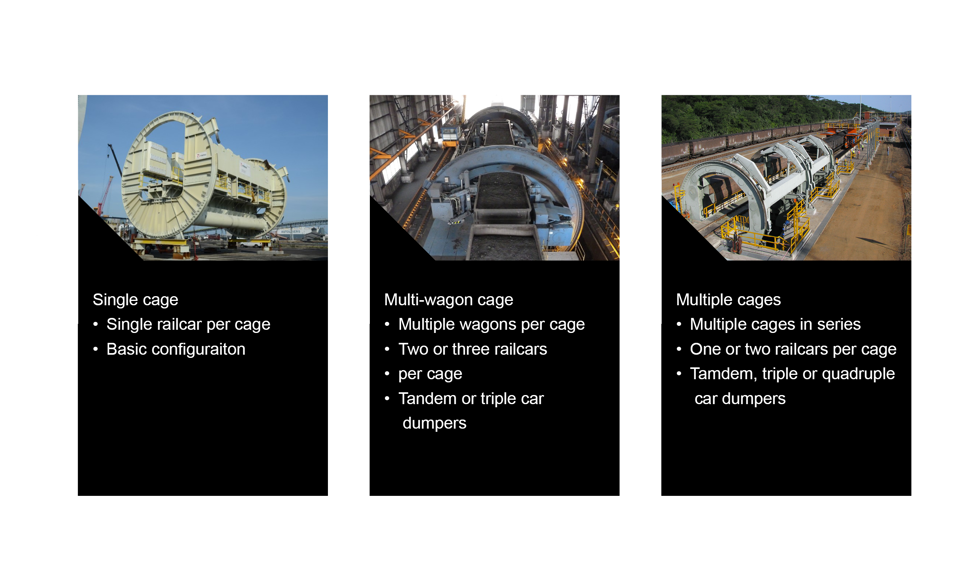
Positioning systems ensure that railcars are accurately aligned for unloading, while holding devices such as wheel grippers or locks keep them stable during operation. The dumper, in turn, must be selected and configured to match the overall system requirements.
When these elements are designed to work together as a coordinated system, the process becomes more controlled and predictable. At Metso, this end-to-end approach is fundamental to delivering consistent and reliable unloading performance.