What trends are you seeing in the industry in terms of sustainability?
We are seeing a significant shift towards stricter legislative and regulatory requirements. With the push towards electrification, there is an increasing demand for metals such as nickel, copper, lithium, zinc and manganese, among others. Hand in hand with this, we are encountering more demands and regulations being placed on producers, suppliers, and customers. At Metso, we're dedicating a lot of effort to help the industry understand and manage its environmental impact. We believe that being a responsible partner means more than just maintaining our own standards. It's also about supporting and encouraging efforts throughout our production footprint, supply chain, and among our customers — for example with optimization and recycling programs. One last area that we are hearing about recently is the mining industry's focus on preserving biodiversity. This is something that we recognize as an upcoming challenge for our customers, and we are exploring options to see where we can have the greatest impact in this area.
You mentioned helping customers reach sustainability targets through optimization. In what way can this have an impact?
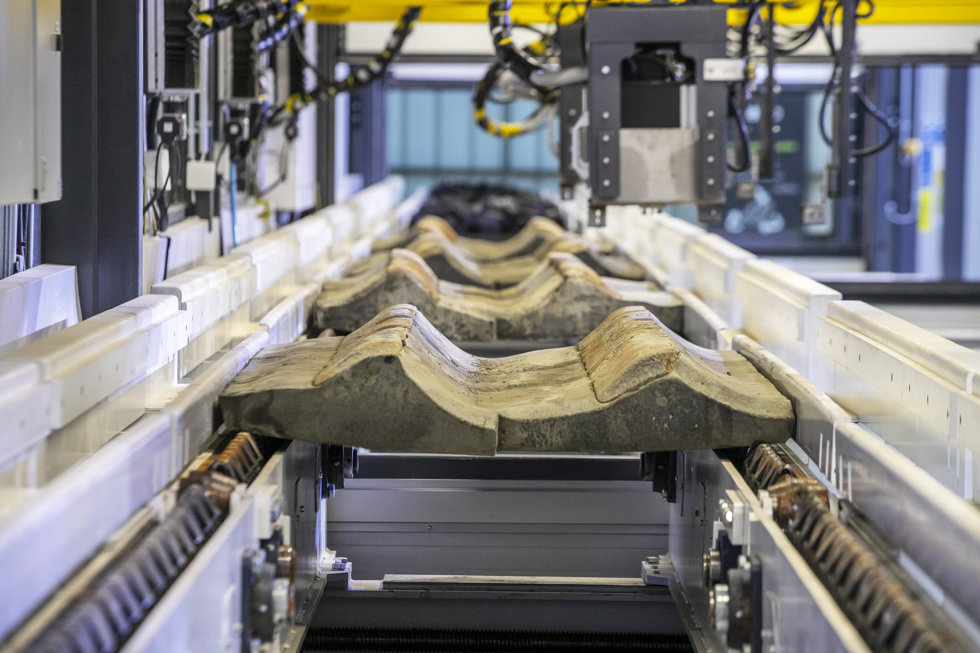
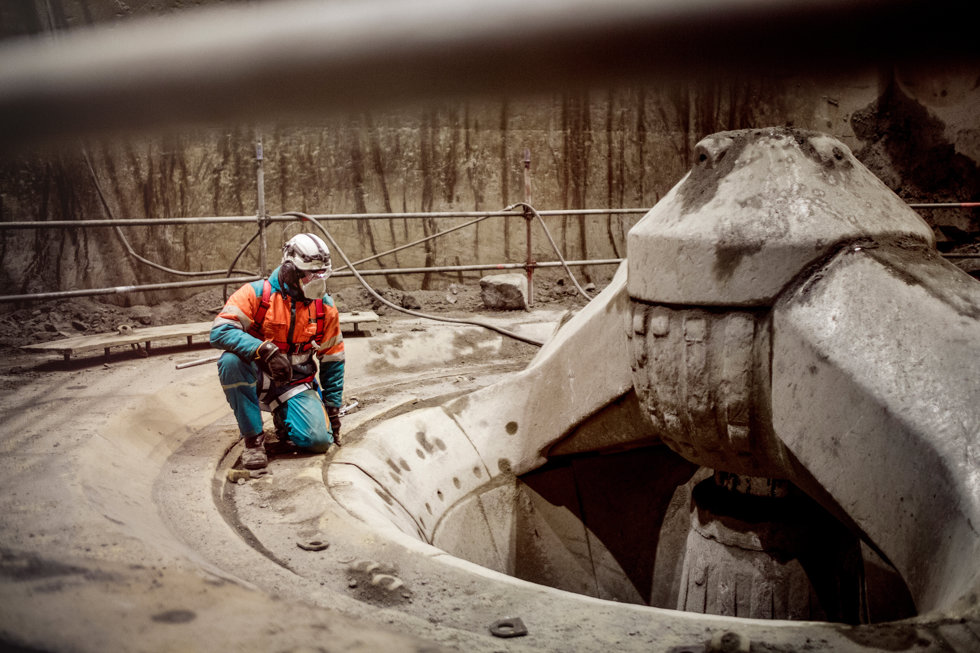
That is a good question! From my previous role in Metso's Consumables business, parts optimization is the first thing that comes to mind. For example, mill liners and crusher wears that are optimized to meet a customer's application can last significantly longer, which means fewer changeouts needed each year, reduced consumption of new liners, and fewer less worn parts sent to landfills. Over time, these gains can really compound. Our R&D teams are continually looking at the materials used in our parts, such as steel, rubber, manganese, and various alloys selected to get the most life from the produced parts.
Beyond optimizing parts for longer life, process performance improvements can also have a major impact for our customers as they aim to get the most out of their operations with the least number of resources or inputs. It is important to consider the parts, the equipment, as well as the various process islands while exploring ways to increase energy efficiency, reach higher throughputs, and achieve better-quality end-product and recovery levels. This can involve a thorough site audit to search for bottlenecks and associated improvement opportunities.
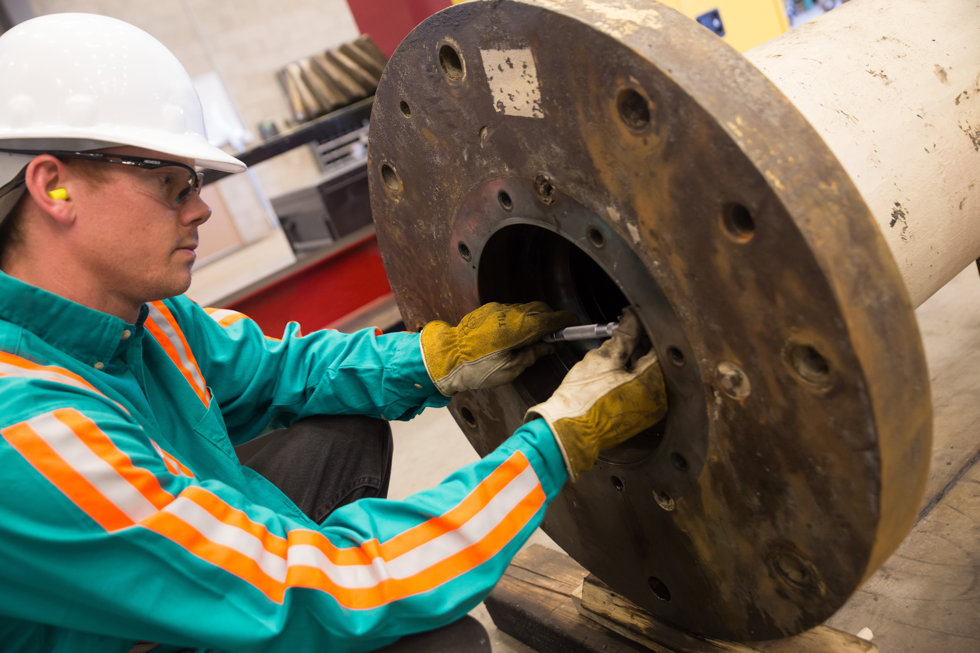
One important point I would like to make is that optimization is not a one-time thing — it is really an ongoing and continuous process. As ore properties change or the site's production targets vary due to changing market conditions, the wear parts selected or the way the circuit is being operated needs to be adapted. Once a customer has optimized their parts selection and process, even further gains can be made through selective upgrades and modernizations to their older equipment, bringing additional efficiencies. Optimizing a site's repair plan and implementing rotable exchange programs with a focus on keeping equipment running longer and reducing waste will also make a difference.