HSC Chemistry™
Metallurgical simulation software
Benefits

Model and optimize the full flowsheet before testing to improve throughput and recovery.

Use equilibrium and Eh–pH tools to avoid corrosive or unstable regimes and run more reliably.

Cut lab/pilot iterations and engineering rework by validating process options in simulation.

Quantify and reduce energy, water and emissions with LCA‑ready tools and exergy analysis.

Key capabilities
Process simulation
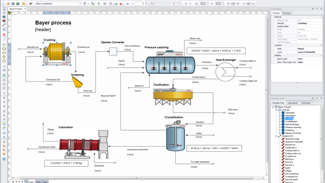
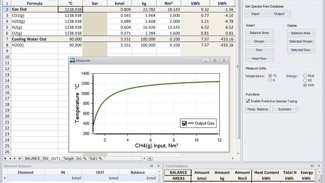
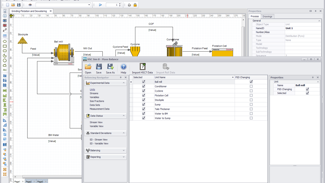
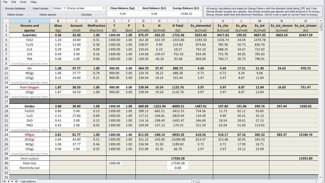
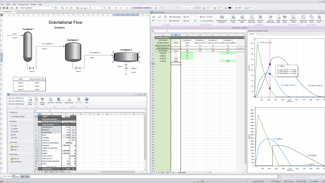
Create both steady-state and dynamic flowsheets with an intuitive setup and advanced features for precise tuning. Seamlessly integrate experimental data for streamlined model calibration and accurate, reliable results.
Simulated process KPIs
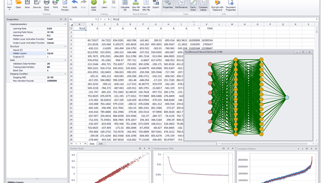
Utilize data reconciliation and model fitting tools, conduct scenario-based sensitivity analyses, compare design alternatives based on process performance and economic indicators, and quantify environmental footprints with connection to OpenLCA and generate detailed reports to support decision making.
Flexibility that supports your processes
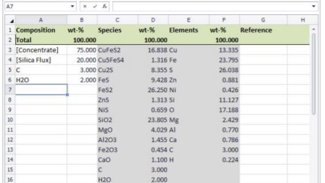
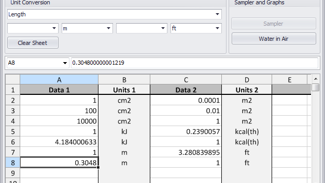
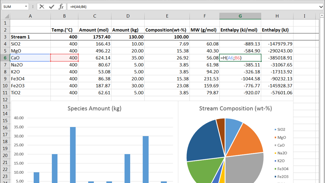
Extend HSC’s capabilities by embedding its functions directly in Excel or incorporating your own calculations alongside unit operation models. Combine these elements to build powerful, tailored simulations that match your process.
Thermodynamic calculations
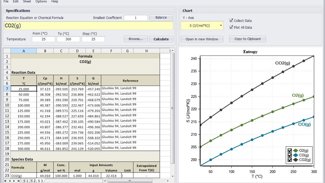
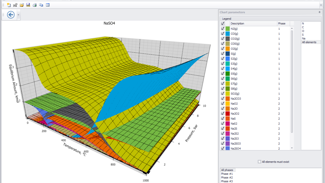
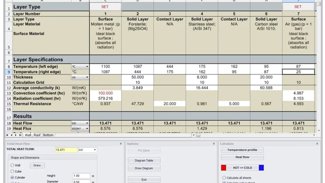
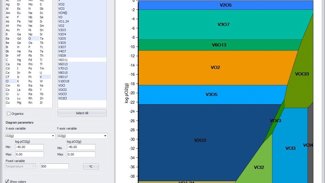
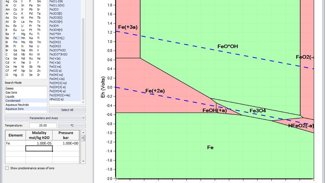
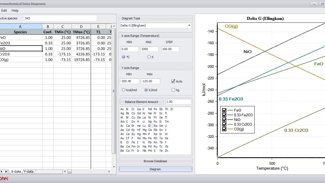
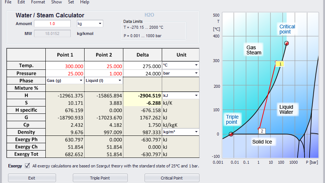
Calculate and study thermodynamic systems using advanced capabilities such as Eph, Ellingham, Predominance and Equilibrium diagrams.
Extensive databases
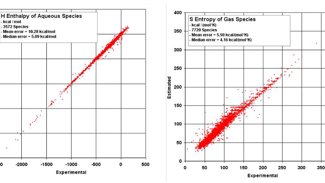
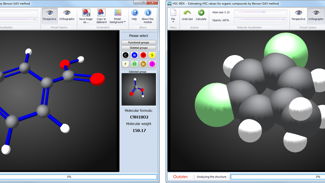
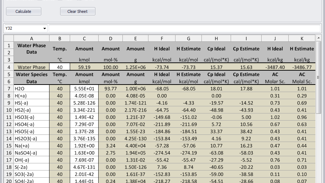
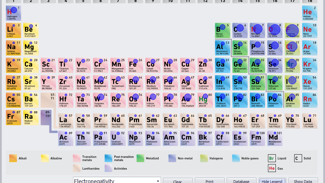
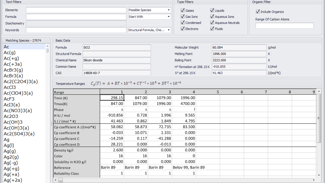
Access over 29,000 compounds with reliable thermochemical properties, along with comprehensive Minerals and Water Component Density databases. Compiled by experts, these trusted resources can be seamlessly combined with your own data for accurate calculations.
A modern user experience for process simulation
HSC offers a modern and intuitive interface that stands out in the process simulation software landscape. Clear workflows and easy navigation help new users get started quickly and make everyday use efficient.
Wide coverage for metals and materials processing
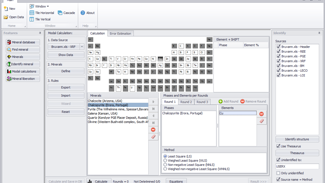
Evaluating mineral processing systems with particle-based simulations using any of the over 40 different unit operation models that provide pre-built calculations for comminution, classification, separation, dewatering, and more.
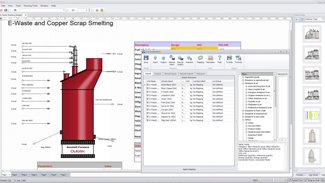
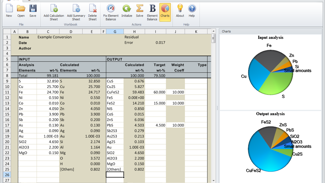
Analyzing high-temperature gas-solid-liquid systems using elemental distributions or equilibrium calculations for ferrous and non-ferrous smelting, converting, refining and related applications.
Modeling aqueous systems using balanced reactions or equilibrium calculations for leaching, precipitation, solvent extraction, EW/ER and associated processes.
Licensing
Licensing

Empowering research, education, and innovation
Drive innovation
HSC Chemistry™ strengthens academic and R&D environments with advanced simulations for the development and optimization of novel processes, materials, and circuit designs.
Understand complex systems
HSC Chemistry™ facilitates the study of thermodynamic, mineral processing, and metallurgical systems.
Support research
Facilitate research, education, and experimentation with reliable, high-fidelity modeling.
Join 100+ Universities teaching with HSC
Universities all over the world benefit from educational license to support their process engineering degrees.
Access public courses by Metso experts
Training
We offer publicly available trainings for metallurgy and mineral processing professionals on process design and modelling. Trainings are scheduled annually, on-site in various countries, with an option for online participation.
Get expert advice on demand
We offer dedicated courses for both Universities, companies, and individuals. These courses facilitate a focus on confidential issues and process examples important to you and your organisation. Fully tailored course content can be designed to focus on hydro, pyro, or mineral processing applications, depending on your needs.

HSC Chemistry™ – Q&A
HSC Chemistry is minerals processing software designed for process modeling and simulation. It enables users to simulate, analyze, and optimize mass and energy flows in chemical, metallurgical, and minerals processing industries. HSC Chemistry® leverages advanced modeling and simulation to accurately represent, predict, and optimize processes. It provides comprehensive capabilities across all key areas of metals and materials processing, including pyrometallurgy, hydrometallurgy and minerals processing.
HSC Chemistry offers several important benefits for process modeling and simulation:
- Comprehensive process design: Supports careful planning from raw material input to final product, improving efficiency, safety, and cost-effectiveness.
- Accurate mass and energy balances: Provides reliable data for equipment sizing, selection, and performance evaluation.
- Advanced thermodynamic calculations: Enables detailed study of chemical and metallurgical systems.
- Scenario analysis and KPI reporting: Facilitates comparison of design alternatives and quantification of environmental impacts.
- Flexibility and integration: Allows users to embed functions in Excel, incorporate custom calculations, and connect with life cycle assessment tools.
HSC Chemistry® is used in mining, metals refining, chemical engineering, energy, manufacturing, research institutions, and universities. Its versatility covers pyrometallurgy, hydrometallurgy, minerals processing, and energy industry applications.
- Access to a large thermochemical database with over 29,000 compounds
- Tools for steady-state and dynamic process simulation
- Integration with Excel and support for custom calculations
- Data reconciliation, model fitting, and environmental footprint quantification
HSC Chemistry enables users to quantify environmental footprints and supports scenario analysis for sustainability KPIs, helping organizations meet their environmental and resource efficiency targets.
Users have access to comprehensive documentation, free video tutorials, and a range of training packages delivered by simulation specialists. Support is available for both new and experienced users.